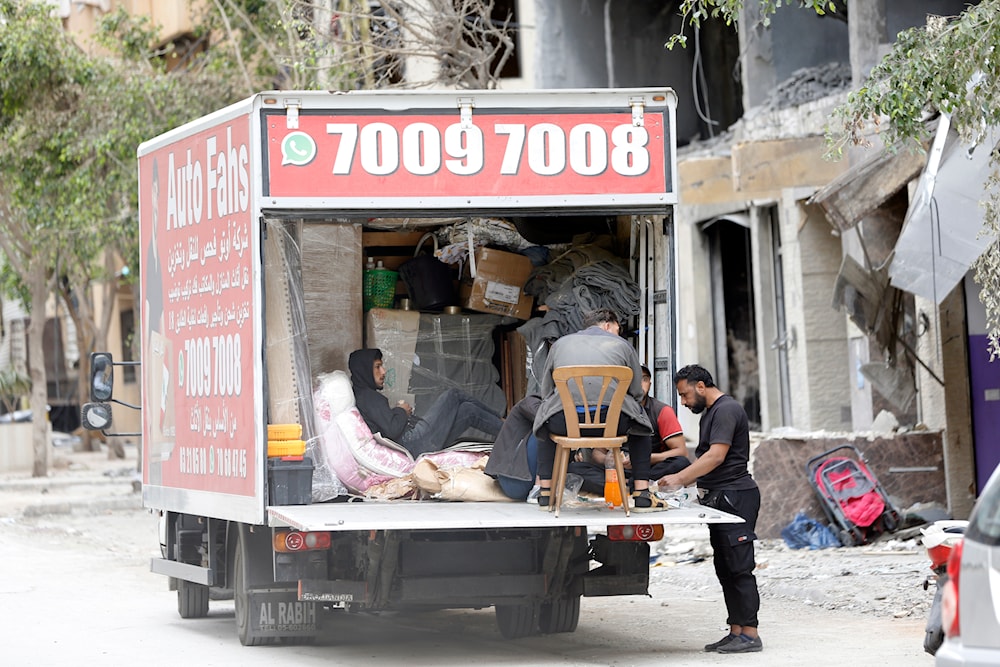
اقتصاد “اليوم الواحد” في الضاحية الجنوبية خلال الهدنة
لا تزال الحركة التجارية في الضاحية الجنوبية لبيروت بطيئة رغم الهدنة، حيث يعمل العديد من التجار ضمن ما بات يُعرف بـ “اقتصاد اليوم الواحد”، أي نشاط اقتصادي محدود يعتمد على الحاجات اليومية فقط.
المحال بدأت تفتح أبوابها بحذر، ليس كاستثمار طويل الأمد بل لاختبار عودة السكان تدريجياً بعد أسابيع من الحرب والدمار.
ما الذي يحدث:
• معظم المشتريات تقتصر على الحاجات الأساسية اليومية مثل المياه ومواد التنظيف ولمبات الإنارة.
• العديد من العائلات تزور منازلها لساعات فقط قبل العودة إلى أماكن النزوح.
• يكاد يغيب الشراء أو التخزين طويل الأمد بسبب عدم اليقين.
عودة حذرة للمحال:
• بعض أصحاب المتاجر يقولون إنهم فتحوا محالهم لتشجيع الناس على العودة أكثر من تحقيق الربح.
• حركة الأفران وبعض الشوارع التجارية تبدو أفضل نسبياً عندما تتجمع عدة محال في نفس الشارع.
• محال المياه والـ«ميني ماركت» تسجل طلباً يومياً محدوداً.
إعادة الإعمار مؤجلة:
• أعمال الترميم ما زالت مؤجلة بانتظار تثبيت وقف إطلاق النار.
• أسعار مواد البناء مثل الألمنيوم والبلاستيك ارتفعت بين 20% و30%.
• أسعار الزجاج ما زالت غير مستقرة بسبب ضعف الطلب.
الكهرباء تعيق العودة:
• تحسّن توفر كهرباء الدولة نسبياً.
• لكن العديد من أصحاب المولدات لم يشغلوها بسبب كلفة المازوت المرتفعة وقلة السكان في المباني.
• هذا يدفع بعض العائلات إلى تأجيل العودة خوفاً من انقطاع الكهرباء.
الصورة العامة:
الاقتصاد في الضاحية يعمل حالياً يوماً بيوم، حيث تفتح المحال صباحاً وتخف الحركة مساءً.
لكن هذا التردد يعكس أيضاً رغبة قوية لدى السكان بالعودة إلى حياتهم الطبيعية عندما تستقر الأوضاع.
المصدر: الأخبار
“One-Day Economy” Emerges in Beirut’s Southern Suburbs During Ceasefire
Commercial activity in Beirut’s southern suburbs (Dahiyeh) remains slow despite the ceasefire, with many businesses operating under what residents describe as a “one-day economy.”
Shops are reopening cautiously, not as long-term investments but as a way to test whether residents are ready to return after weeks of war and destruction.
What’s happening:
• Most purchases are limited to basic daily necessities such as water, cleaning supplies, and light bulbs.
• Many families visit their homes for only a few hours before returning to displacement areas.
• There is almost no long-term shopping or stockpiling.
Businesses reopening carefully:
• Some shop owners say they reopened mainly to encourage residents to come back rather than to make profit.
• Bakeries and streets with several shops together see slightly better activity.
• Water stations and mini markets report limited daily demand.
Reconstruction still delayed:
• Repair work has largely not started yet, as residents wait to see if the ceasefire will hold.
• Prices of construction materials such as aluminum and plastic have increased by 20–30%.
• Glass prices remain uncertain due to low demand.
Electricity slowing the return:
• State electricity supply has improved somewhat.
• However, many private generators remain off due to high diesel costs and low occupancy in buildings.
• This is causing some families to delay returning home due to fear of power cuts.
The bigger picture:
Economic activity in the area is currently day-to-day, with shops opening in the morning and activity fading by evening.
Still, residents say the cautious reopening reflects a strong desire to return to normal life once stability returns.
Source: Al-Akhbar