مع تصاعد الحرب بين الولايات المتحدة وإسرائيل من جهة وإيران من جهة أخرى، تتكشّف تداعيات اقتصادية متسارعة داخل الولايات المتحدة، حيث تتقاطع كلفة العمليات العسكرية مع صدمة أسعار الطاقة لتزيد الضغوط على الاقتصاد وتعيد طرح مخاطر التضخم.
وفي هذا السياق، يشكّل ارتفاع أسعار النفط العامل الأكثر تأثيراً، إذ تجاوز سعر البرميل حاجز 100 دولار في بعض الفترات، في ظل التوترات في مضيق هرمز الذي يمر عبره نحو 20% من الإمدادات العالمية. وعلى الرغم من ارتفاع إنتاج الولايات المتحدة، إلا أن ترابط الأسواق العالمية انعكس مباشرة على الأسعار المحلية.
ووفق تقارير نقلتها «فوكس بيزنس»، ارتفع متوسط سعر البنزين من نحو 2.9 دولار إلى أكثر من 3.9 دولارات للغالون خلال فترة قصيرة، ما أدى إلى زيادة كلفة النقل والشحن، وبالتالي ارتفاع أسعار السلع والخدمات. وتشير تحليلات نشرتها شبكة «PBS» إلى أن الوقود قد يشكّل نحو نصف كلفة النقل البحري، ما يسرّع انتقال أثر الأسعار إلى الأسواق.
بالتوازي، تتزايد المخاوف من عودة التضخم، إذ تقدّر «باركليز» أن ارتفاع أسعار النفط بنسبة 10% قد يرفع معدلات التضخم بنحو 0.2% خلال فترة قصيرة، فيما قد يصل إلى 3.5% سنوياً إذا استمرت الأسعار المرتفعة، مقارنة بتوقعات سابقة عند 2.7%. وهو ما يضع الاحتياطي الفدرالي أمام معادلة معقدة بين كبح التضخم والحفاظ على النمو.
وعلى صعيد الأسواق، تراجع مؤشر «S&P500» بنحو 4.2% منذ بداية الحرب، فيما تضررت قطاعات النقل والصناعات المعتمدة على الطاقة، مقابل مكاسب لشركات النفط والصناعات العسكرية، بحسب تقارير «الغارديان».
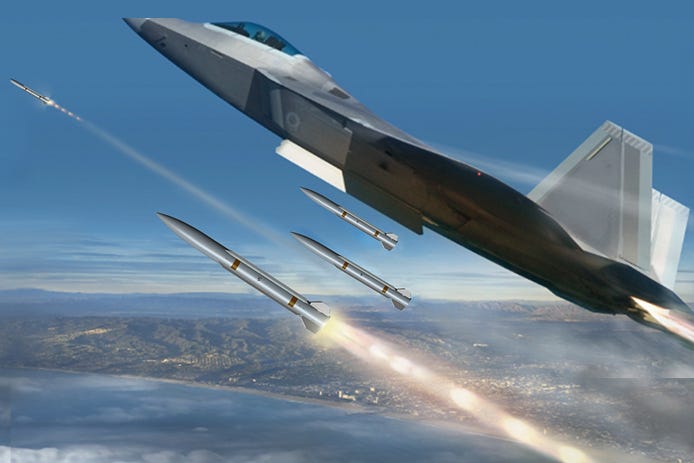
في المقابل، تواصل الكلفة العسكرية المباشرة الارتفاع، إذ أفادت وكالة «رويترز» نقلاً عن مسؤولين أميركيين أن الإنفاق بلغ نحو 11 مليار دولار في الأيام الأولى، مع إمكانية وصوله إلى نحو مليار دولار يومياً. كما ذكرت «واشنطن بوست» أن نحو 5.6 مليارات دولار صُرفت على الذخائر خلال الفترة نفسها.
وتبقى هذه الكلفة مرشحة للتصاعد في حال استمرار الحرب، ما قد يدفع الإدارة الأميركية إلى طلب تمويل إضافي من الكونغرس، في وقت بلغ فيه الدين العام نحو 38.8 تريليون دولار، أي ما يعادل 125% من الناتج المحلي الإجمالي.
وفي ظل هذه المعطيات، يحذّر اقتصاديون، وفق «الغارديان»، من أن استمرار الحرب وارتفاع أسعار الطاقة قد يؤديان إلى تباطؤ النمو الاقتصادي، مع تراجع القدرة الشرائية وارتفاع كلفة الإنتاج، ما يضع الاقتصاد الأميركي أمام مرحلة دقيقة تتداخل فيها الضغوط العسكرية والاقتصادية.
As the war between the United States and Israel on one side and Iran on the other escalates, rapidly unfolding economic repercussions are emerging within the United States. The cost of military operations is intersecting with rising energy prices, increasing pressure on the economy and reviving concerns about inflation.
In this context, rising oil prices are the most significant factor. The price of a barrel has exceeded $100 at times amid tensions in the Strait of Hormuz, through which about 20% of global supplies pass. Despite increased U.S. production, the interconnected nature of global markets has directly impacted domestic prices.
According to reports cited by Fox Business, the average price of gasoline rose from around $2.90 to over $3.90 per gallon in a short period. This has increased transportation and shipping costs, leading to higher prices for goods and services. Analyses published by PBS indicate that fuel can account for about half of maritime shipping costs, accelerating the transmission of price increases to markets.
At the same time, concerns about inflation are growing. Barclays estimates that a 10% increase in oil prices could raise inflation by about 0.2% in the short term, potentially reaching 3.5% annually if high prices persist, compared to earlier expectations of 2.7%. This places the Federal Reserve in a difficult position between controlling inflation and sustaining economic growth.
In financial markets, the S&P 500 index has declined by about 4.2% since the beginning of the war. Transportation and energy-dependent industries have been negatively affected, while oil companies and defense industries have seen gains, according to The Guardian.
Meanwhile, direct military costs continue to rise. Reuters, citing U.S. officials, reported that spending reached about $11 billion in the early days, with the potential to reach around $1 billion per day. The Washington Post also noted that approximately $5.6 billion was spent on munitions during the same period.
These costs are expected to increase further if the war continues, potentially prompting the U.S. administration to request additional funding from Congress. This comes at a time when public debt has reached about $38.8 trillion, equivalent to about 125% of GDP.
In light of these factors, economists—according to The Guardian—warn that the continuation of the war and rising energy prices could slow economic growth, reduce purchasing power, and increase production costs, placing the U.S. economy in a delicate phase shaped by overlapping military and economic pressures.