رفض إرسال قوات إلى جزيرة خارك
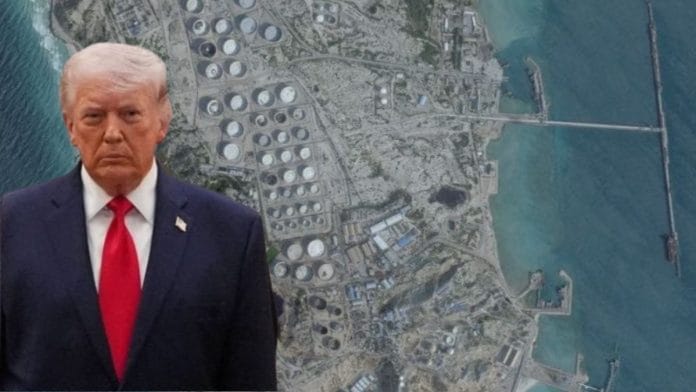
كشفت صحيفة «وول ستريت جورنال» أن الرئيس الأميركي دونالد ترامب رفض إرسال قوات للسيطرة على جزيرة خارك الإيرانية، رغم تأكيدات بأن العملية قد تنجح وتمنح واشنطن موقعاً استراتيجياً قرب المضيق. ووفق المصادر، جاء القرار نتيجة مخاوف من خسائر بشرية “غير مقبولة”، واعتباره أن الجنود قد يتحولون إلى “أهداف سهلة”.
هواجس تاريخية تؤثر على القرار
تشير المعطيات إلى أن تجربة أزمة الرهائن عام 1979 في عهد جيمي كارتر لا تزال حاضرة في ذهن ترامب، حيث اعتبر أن تلك الحادثة كلّفت كارتر الانتخابات، ما يجعله حذراً من تكرار سيناريو مشابه قد ينعكس سياسياً عليه.
استراتيجية التصعيد الكلامي
في المقابل، اعتمد ترامب نهجاً مختلفاً يقوم على التصعيد اللفظي بدل العسكري المباشر، إذ تعمّد استخدام لغة وُصفت بأنها “استفزازية وغير متزنة” بهدف الضغط على طهران ودفعها إلى طاولة المفاوضات.
تصريحات مرتجلة بلا غطاء رسمي
وبحسب مسؤولين أميركيين، فإن بعض تصريحات ترامب، ومنها التهديد بـ“إنهاء الحضارة الإيرانية”، لم تكن جزءاً من استراتيجية أمن قومي مدروسة، بل جاءت بشكل مرتجل، في إطار محاولة لإظهار موقف متشدد يخلق ضغطاً نفسياً على الجانب الإيراني.
“اللااستقرار” كأداة تفاوض
نقلت الصحيفة أن ترامب تعمّد الظهور بمظهر “غير مستقر ومهين” في بعض تصريحاته، معتقداً أن هذه اللغة قد تكون أكثر فعالية في التأثير على إيران ودفعها للتفاوض، في مقاربة غير تقليدية تعتمد على الضغط النفسي بدل القوة العسكرية المباشرة.
طموح لإعادة تشكيل النظام العالمي
رغم حذره الميداني، يرى ترامب أن أي انتصار على إيران قد يمنحه فرصة لإعادة تشكيل النظام العالمي، وهو ما دفعه في بداية التصعيد للاعتقاد بأنه “ينقذ العالم”، قبل أن يعود ويوازن بين الطموح والمخاطر.
Refusal to send forces to Khark Island
The Wall Street Journal revealed that US President Donald Trump refused to send forces to take control of Iran’s Khark Island, despite assurances that the operation could succeed and grant Washington a strategic position near the strait. According to sources, the decision came due to fears of “unacceptable” human losses, and the belief that soldiers could become “easy targets.”
Historical concerns influencing the decision
Data تشير that the experience of the 1979 hostage crisis during Jimmy Carter’s era still lingers in Trump’s mind, as he considered that incident cost Carter the election, making him cautious about repeating a similar scenario that could politically backfire on him.
A strategy of verbal escalation
In contrast, Trump adopted a different approach based on verbal escalation rather than direct military action, deliberately using language described as “provocative and unbalanced” to pressure Tehran and push it toward the negotiating table.
Improvised statements without official backing
According to US officials, some of Trump’s statements, including the threat to “end Iranian civilization,” were not part of a studied national security strategy, but rather improvised, as part of an attempt to project a hardline stance that creates psychological pressure on the Iranian side.
“Instability” as a negotiation tool
The newspaper reported that Trump deliberately appeared “unstable and offensive” in some of his statements, believing that this language could be more effective in influencing Iran and pushing it toward negotiations, in an unconventional approach based on psychological pressure rather than direct military force.
Ambition to reshape the global order
Despite his field caution, Trump believes that any victory over Iran could give him an opportunity to reshape the global order, which led him at the beginning of the escalation to believe he was “saving the world,” before later balancing between ambition and risks