اقتراب الاتفاق وتعثره بسبب لبنان
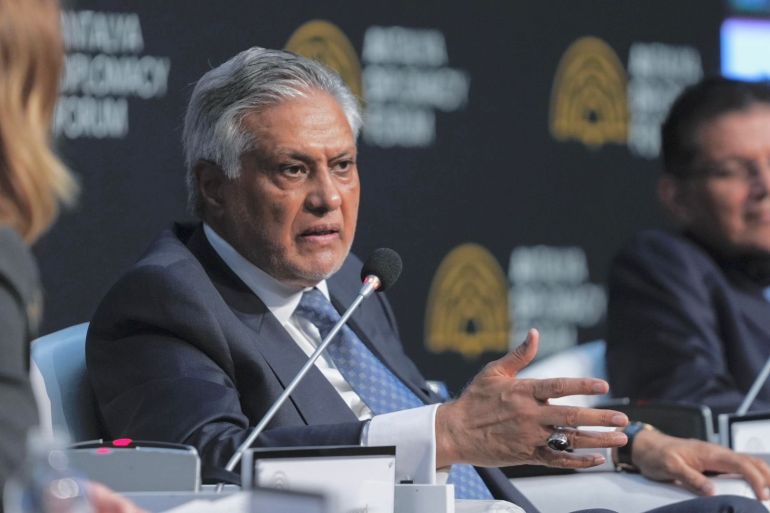
كشف وزير الخارجية الباكستاني إسحاق دار أن الولايات المتحدة وإيران كانتا قريبتين جداً من التوصل إلى اتفاق خلال محادثات إسلام آباد، إلا أن ملف لبنان برز كإحدى نقاط الخلاف الأساسية. ورحّب دار في المقابل بوقف إطلاق النار بين إسرائيل وحزب الله، معتبراً أنه خطوة إيجابية في مسار التهدئة.
باكستان تقود جهود الوساطة
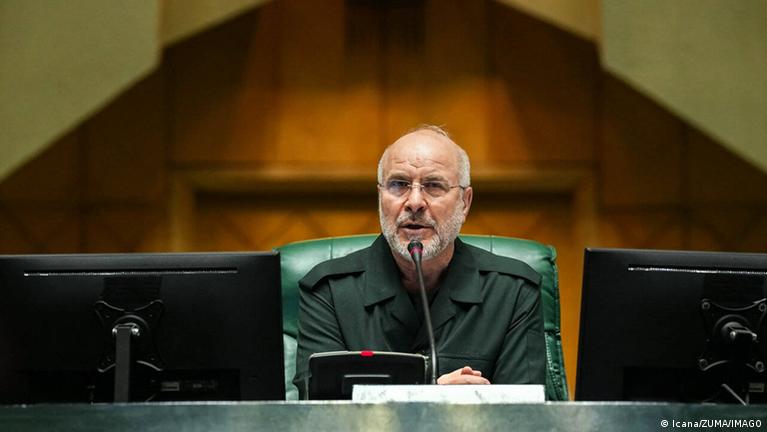
تواصل إسلام آباد دورها كوسيط رئيسي، حيث يعمل دبلوماسيون باكستانيون على تقريب وجهات النظر بين واشنطن وطهران. وفي هذا السياق، أجرى قائد الجيش الباكستاني عاصم منير سلسلة لقاءات في طهران مع كبار المسؤولين الإيرانيين، بينهم الرئيس مسعود بزشكيان ووزير الخارجية عباس عراقجي ورئيس البرلمان محمد باقر قاليباف.
كما تأتي هذه التحركات بالتوازي مع جولة إقليمية لرئيس الوزراء شهباز شريف شملت السعودية وقطر وتركيا، في محاولة لدفع مسار التسوية، وسط توقعات بعقد جولة ثانية من المفاوضات في إسلام آباد الأسبوع المقبل.
الحصار الأميركي يعقّد المشهد
رغم التقدم النسبي، تواصل الولايات المتحدة فرض حصار بحري على الموانئ الإيرانية بهدف منع تصدير النفط، وهو ما يزيد من تعقيد المفاوضات ويطرح تساؤلات حول جدية التهدئة.
إغلاق جديد لمضيق هرمز
بعد ساعات من إعلان فتح مضيق هرمز، عادت إيران وأعلنت إغلاقه مجدداً، مؤكدة أن الممر الاستراتيجي سيبقى تحت سيطرة القوات المسلحة الإيرانية. وأوضحت أن السماح بمرور محدود للسفن كان “بادرة حسن نية”، لكن ما وصفته بـ“القرصنة الأميركية” دفعها للعودة إلى الإجراءات السابقة.
تصعيد مقابل تفاوض
تعكس هذه التطورات مشهداً متناقضاً: مفاوضات مستمرة ومحاولات لتقريب المواقف، مقابل تصعيد ميداني وضغوط اقتصادية، ما يجعل فرص التوصل إلى اتفاق رهينة التوازن بين هذين المسارين في المرحلة المقبلة.
Approaching agreement and its stumbling over Lebanon
Pakistani Foreign Minister Ishaq Dar revealed that the United States and Iran were very close to reaching an agreement during the Islamabad talks, but the Lebanon file emerged as one of the main points of disagreement. At the same time, Dar welcomed the ceasefire between Israel and Hezbollah, considering it a positive step in the path of de-escalation.
Pakistan leads mediation efforts
Islamabad continues its role as a key mediator, with Pakistani diplomats working to bring viewpoints closer between Washington and Tehran. In this context, Pakistani Army Chief Asim Munir held a series of meetings in Tehran with senior Iranian officials, including President Masoud Pezeshkian, Foreign Minister Abbas Araghchi, and Parliament Speaker Mohammad Bagher Ghalibaf.
These movements also come in parallel with a regional tour by Prime Minister Shehbaz Sharif that included Saudi Arabia, Qatar, and Turkey, in an attempt to push the settlement track forward, amid expectations of a second round of negotiations in Islamabad next week.
The US blockade complicates the scene
Despite relative progress, the United States continues to impose a naval blockade on Iranian ports aimed at preventing oil exports, which increases the complexity of the negotiations and raises questions about the seriousness of de-escalation.
A new closure of the Strait of Hormuz
Hours after announcing the reopening of the Strait of Hormuz, Iran returned and announced its closure again, confirming that the strategic passage will remain under the control of the Iranian armed forces. It clarified that allowing limited passage for ships was a gesture of goodwill, but what it described as American piracy pushed it back to previous measures.
Escalation alongside negotiation
These developments reflect a contradictory scene: ongoing negotiations and attempts to bridge positions, alongside field escalation and economic pressure, making the chances of reaching an agreement dependent on the balance between these two tracks in the coming period.