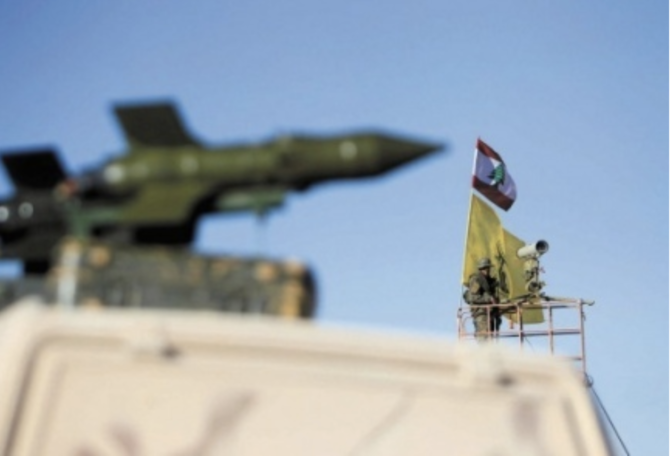
نشرت وكالة فرانس برس تقريراً، مفاده أن “مسيّرات حزب الله العاملة بالألياف الضوئية تُشكّل تحدّياً جديداً للقوات الإسرائيلية في جنوب لبنان، ما يفرض على الأخيرة تكييف تكتيكاتها لمواجهة تهديد يزداد فتكاً”.
ووصفت الباحثة البارزة في “معهد دراسات الأمن القومي الإسرائيلي” أورنا مزراحي لفرانس برس، أن “المسيّرات العاملة بالألياف الضوئية متاحة بسهولة، وتشبه “ألعاب الأطفال”، فضلاً عن كوْنها صغيرة ومنخفضة الكلفة”.
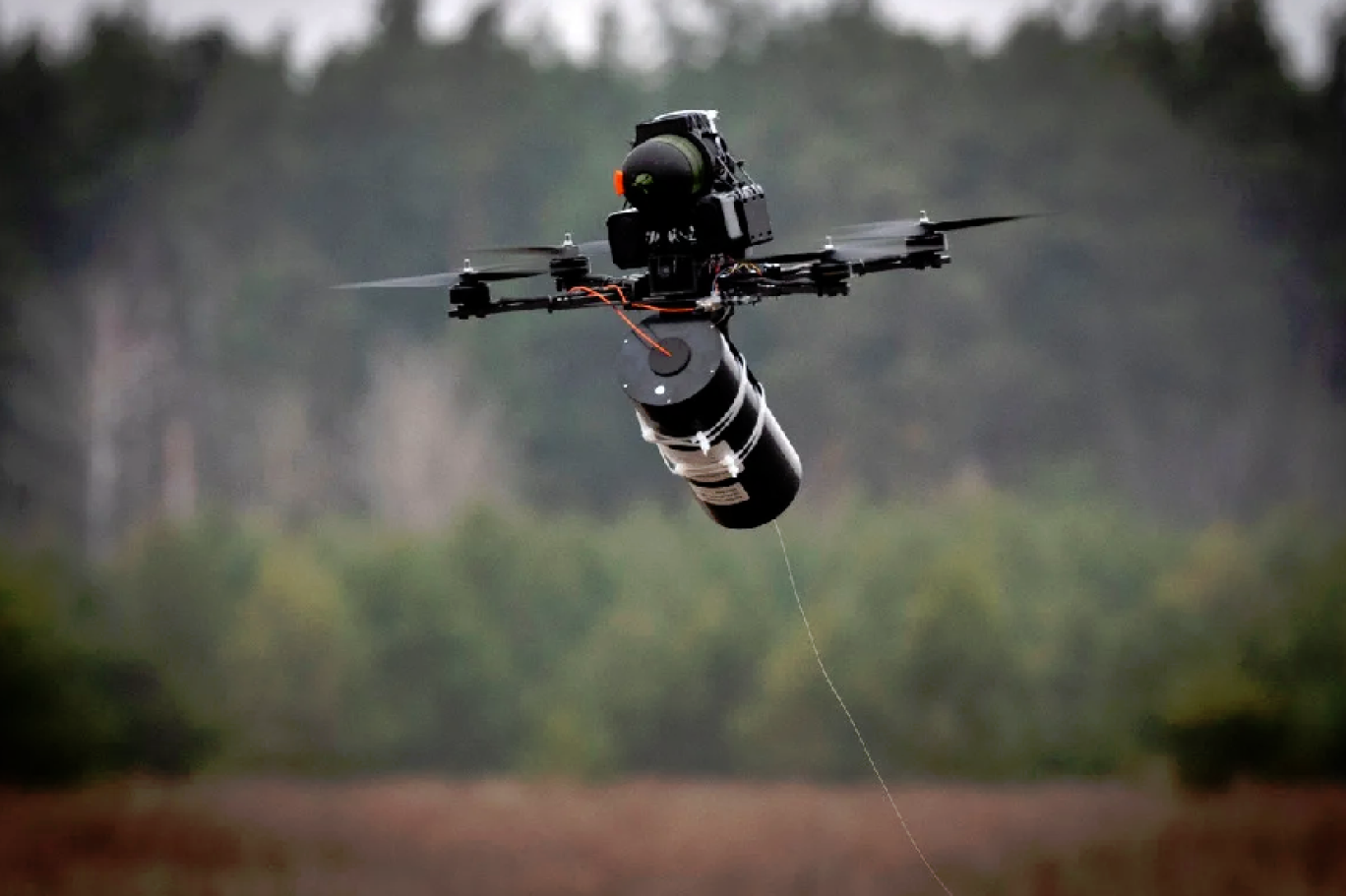
وقالت مزراحي لوكالة فرانس برس، إن “الجيش الإسرائيلي يفتقر حالياً إلى وسائل فعّالة للتعامل مع تهديدات من هذا النوع، لأنه لم يتهيّأ لمواجهة متفجرات متخلّفة تقنياً”.
وأضافت: “بفضل سرعتها ودقّتها، تستطيع هذه المسيرات إحداث أضرار كبيرة بالأهداف الإسرائيلية، بينما يفرض غياب البصمات الإلكترونية على القوات المستهدَفة الاعتماد على الرادار أو الرصد البصري، وهو ما يحدث غالبا بعد فوات الأوان”.
ويقول خبراء إن “كلفة تجميع المسيّرات العاملة بالألياف الضوئية تراوح بين بضع مئات من الدولارات ونحو أربعة آلاف دولار، بحسب جودة المكوّنات ونوعها، وهي متاحة عبر منصات تسوّق إلكترونية مثل “علي إكسبرس”.
ويقوم المشغّلون بقيادة هذه المسيّرات بأسلوب الرؤية من منظور الشخص الأول (FPV) باستخدام شاشات أو نظارات واقع افتراضي، علماً أن ذلك لا يتطلّب سوى قدر محدود من التدريب.
ووفقا للخبير في “معهد دراسات الأمن القومي” آري أفيرام فإنه “نظرا إلى أن الطائرة المسيّرة لا تنقل الصورة عبر بثّ لاسلكي ولا تتلقّى أوامر التوجيه عبر مستقبِل راديوي، فلا يمكن رصدها بوسائل الاستخبارات الإلكترونية أو تعطيلها عبر الحرب الإلكترونية”، بحسب فرانس برس.
Agence France-Presse reported that Hezbollah’s fiber-optic drones pose a new challenge to Israeli forces in southern Lebanon, forcing them to adapt their tactics to confront an increasingly dangerous threat.
Researcher Orna Mizrahi from Israel’s Institute for National Security Studies described these drones as easily accessible, low-cost, small in size, and resembling “children’s toys.” She noted that the Israeli army currently lacks effective tools to counter such threats, as it was not prepared for this type of low-tech explosive systems.
Thanks to their speed and precision, these drones can cause significant damage to Israeli targets. Their lack of electronic signatures forces targeted forces to rely on radar or visual detection, often after it is too late.
Experts say the cost of assembling fiber-optic drones ranges from a few hundred to about $4,000, depending on the quality and type of components, and they are available through online platforms like AliExpress. Operators control them using first-person view (FPV) systems via screens or VR goggles, requiring only limited training.
According to expert Ari Aviram, because these drones do not transmit images wirelessly or receive commands via radio signals, they cannot be detected by electronic intelligence or jammed through electronic warfare.