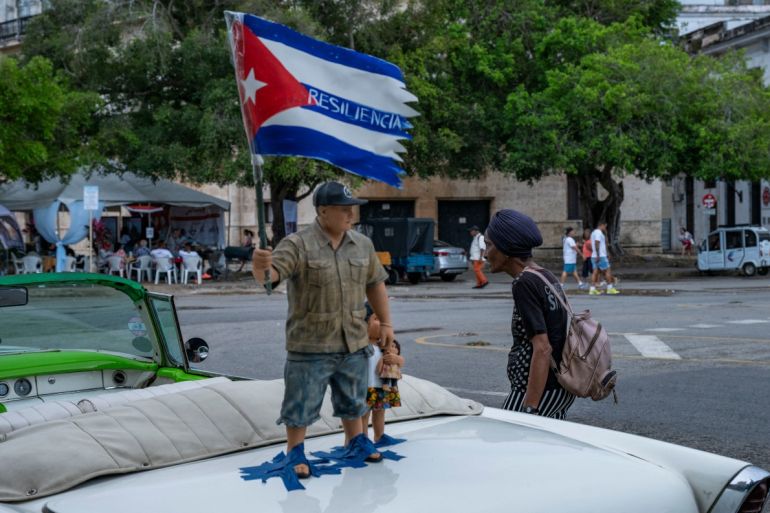
أعلن الرئيس الكوبي ميغيل دياز كانيل أن بلاده باتت "على أهبة الاستعداد" لمواجهة هجوم أميركي محتمل، في ظل تصاعد التوتر مع واشنطن واستمرار الضغوط التي يقودها الرئيس دونالد ترامب.
وفي خطاب أمام حشد في هافانا بمناسبة ذكرى غزو خليج الخنازير، أكد دياز كانيل أن كوبا لا ترغب في حرب، لكنها "ملزمة بالاستعداد لتجنبها، وإذا فُرضت، فعليها الانتصار فيها"، واصفًا المرحلة الحالية بأنها "بالغة الخطورة" في ظل ما اعتبره "عدوانًا متعدد الأوجه" يشمل الحصار الاقتصادي وأزمة الطاقة.
ويأتي هذا التصعيد على خلفية استمرار الحصار الأميركي، خصوصًا على قطاع الطاقة، حيث أدت القيود المفروضة على استيراد النفط من فنزويلا وروسيا والمكسيك إلى تفاقم الأزمة الاقتصادية، مع انقطاع الكهرباء ونقص الوقود، في ظل أزمة ممتدة منذ سنوات.
في المقابل، لوّح ترامب بإمكانية توجيه الاهتمام إلى كوبا بعد انتهاء المواجهة مع إيران، واصفًا إياها بـ"الدولة الفاشلة"، ومهددًا بإجراءات إضافية، بينها فرض عقوبات على الدول التي تزوّدها بالنفط، أو حتى تدخل مباشر، كما فعل سابقًا في فنزويلا.
كما تطرح واشنطن شروطًا لتخفيف العقوبات، تشمل إطلاق سراح السجناء السياسيين، إنهاء ما تصفه بالقمع، وإصلاح الاقتصاد، وهي شروط ترفضها هافانا، التي تؤكد استعدادها للحوار ولكن "من دون المساس بنظامها السياسي".
ورغم الحديث عن محاولات تهدئة عبر قنوات غير مباشرة، لم تحقق أي تقدم يُذكر، فيما تشير المعطيات إلى أن كوبا باتت تتعامل بجدية مع سيناريو التصعيد، خاصة مع تصنيفها كـ"الهدف التالي" ضمن سياسة أميركية أوسع بعد فنزويلا وإيران.
ويعيد هذا المشهد إلى الأذهان غزو خليج الخنازير عام 1961، حين فشلت عملية أميركية لإسقاط نظام كاسترو، في محطة تاريخية لا تزال حاضرة في الخطاب الكوبي اليوم، مع تأكيد القيادة الحالية أن البلاد "مهددة لكنها لن تستسلم".
Cuban President Miguel Díaz-Canel announced that his country is now 'on high alert' to face a potential US attack, amid rising tensions with Washington and continued pressure led by President Donald Trump.
In a speech before a crowd in Havana marking the anniversary of the Bay of Pigs invasion, Díaz-Canel stressed that Cuba does not seek war, but is 'obliged to prepare to avoid it, and if it is imposed, to prevail in it', describing the current phase as 'extremely dangerous' amid what he called 'multi-faceted aggression' including the economic blockade and the energy crisis.
This escalation comes against the backdrop of the ongoing US embargo, particularly on the energy sector, as restrictions on oil imports from Venezuela, Russia, and Mexico have worsened the economic crisis, with power outages and fuel shortages, in a crisis that has lasted for years.
On the other hand, Trump hinted at the possibility of turning attention to Cuba after the confrontation with Iran ends, describing it as a 'failed state' and threatening additional measures, including imposing sanctions on countries that supply it with oil, or even direct intervention, as he previously did in Venezuela.
Washington is also proposing conditions to ease sanctions, including the release of political prisoners, ending what it describes as repression, and economic reforms, conditions rejected by Havana, which affirms its readiness for dialogue but 'without compromising its political system'.
Despite talk of de-escalation attempts through indirect channels, no significant progress has been achieved, while indications suggest that Cuba is taking the escalation scenario seriously, especially as it is being considered the 'next target' within a broader US policy following Venezuela and Iran.
This situation recalls the Bay of Pigs invasion in 1961, when a US-backed operation to overthrow Castro’s regime failed, a historical moment that remains present in Cuban discourse today, with the current leadership emphasizing that the country is 'under threat but will not surrender'.