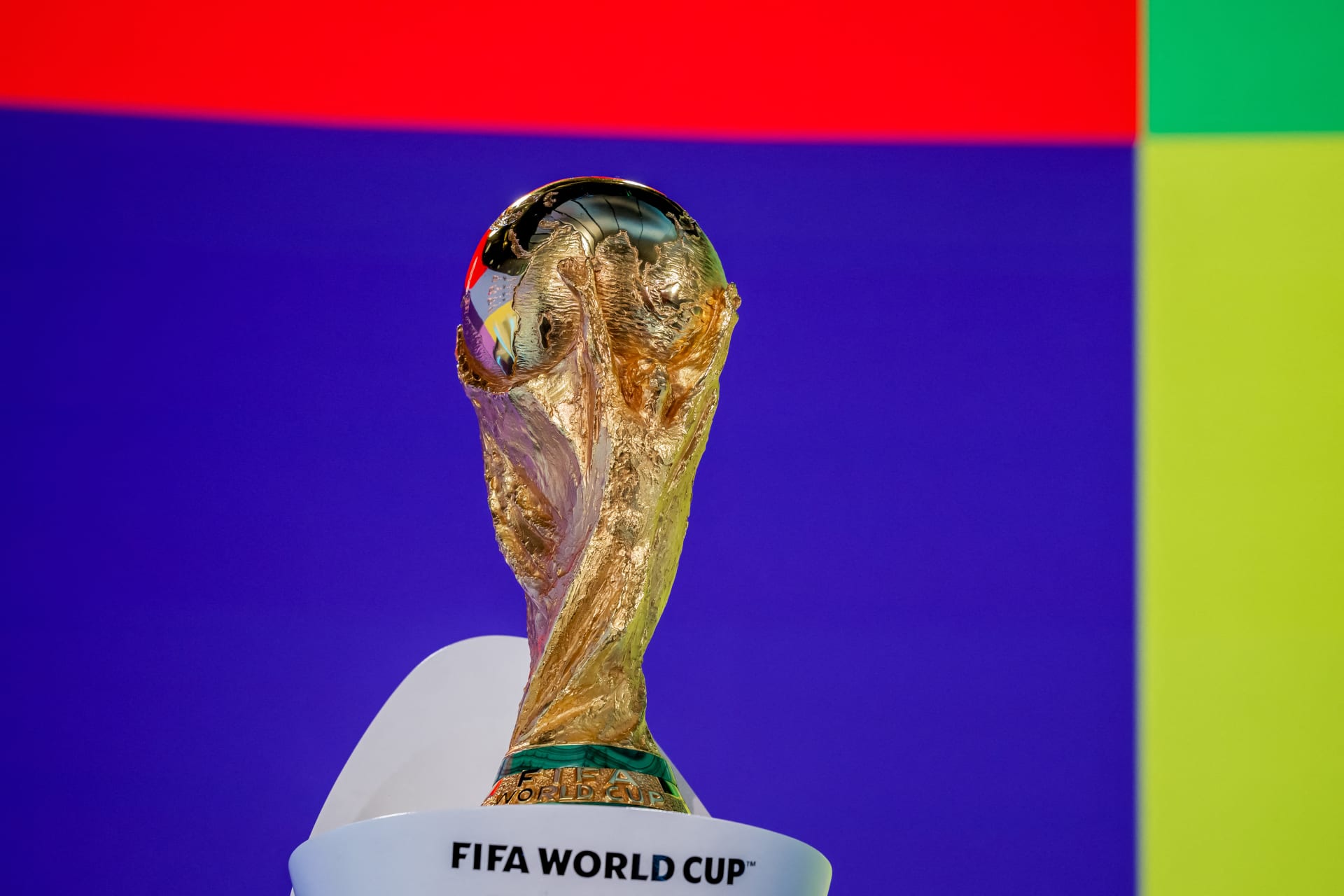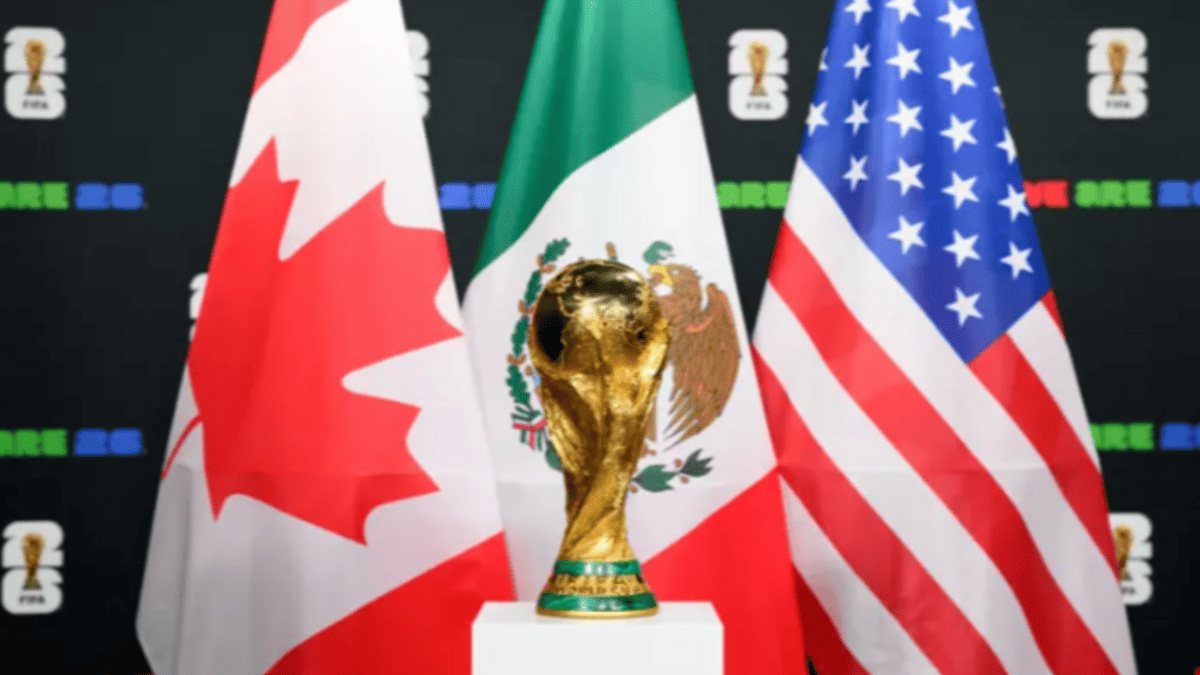
تتجه الأنظار إلى كأس العالم 2026، المقررة بين 11 حزيران و19 تموز، والتي ستُقام للمرة الأولى في ثلاث دول هي الولايات المتحدة وكندا والمكسيك، في نسخة مختلفة عن البطولات السابقة
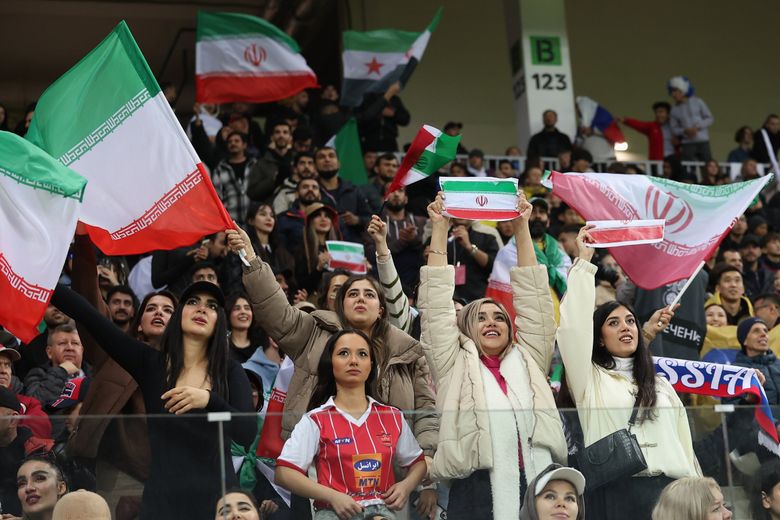
أبرز التغييرات هو رفع عدد المنتخبات إلى 48 منتخباً، ما يتيح الفرصة لمنتخبات جديدة من إفريقيا وآسيا وأوقيانوسيا للمشاركة. هذا التوسع يعزز انتشار اللعبة، لكنه يطرح تساؤلات حول تأثيره على مستوى بعض المباريات، رغم أن نظام التأهل الجديد يحافظ على المنافسة حتى النهاية
التحدي الأكبر لا يقتصر على المباريات فقط، بل يشمل أيضاً المسافات الطويلة بين المدن. فقد يلعب منتخب في أجواء رطبة مثل ميامي، ثم ينتقل سريعاً إلى طقس بارد مثل فانكوفر، ما يشكل ضغطاً على اللاعبين والأجهزة الطبية، خصوصاً من ناحية اللياقة والاستشفاء
ورغم اعتماد توزيع جغرافي للمجموعات في البداية لتخفيف السفر، فإن الأدوار الإقصائية ستفرض تنقلاً أكبر بين الدول الثلاث، ما قد يؤثر على أداء المنتخبات
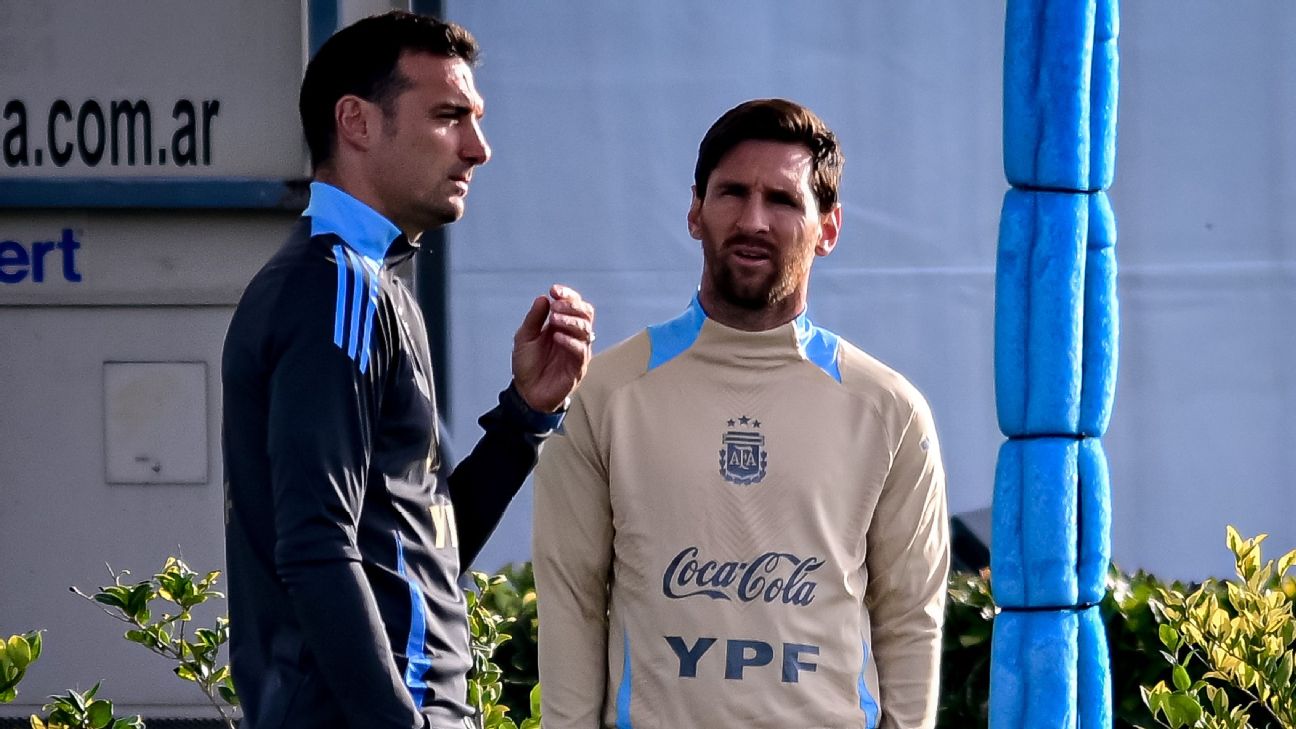
على الصعيد الفني، قد تكون هذه البطولة الأخيرة لنجوم كبار مثل ليونيل ميسي وكريستيانو رونالدو، في وقت يبرز فيه جيل جديد يعتمد على السرعة والقوة البدنية، ما يعكس تحولاً نحو كرة جماعية أكثر تنظيماً
أما من الناحية التقنية، فمن المتوقع استخدام نسخ أكثر تطوراً من تقنيات التسلل وتتبع اللاعبين، بهدف تسريع القرارات وتقليل توقف اللعب
بذلك، لا يُعد مونديال 2026 مجرد بطولة أكبر حجماً، بل تجربة جديدة تختبر قدرة كرة القدم على التطور دون أن تفقد هويتها
Attention is turning to the 2026 World Cup, scheduled from June 11 to July 19, which will be hosted for the first time by three countries: the United States, Canada, and Mexico—marking a departure from previous tournaments.
The most notable change is the expansion to 48 teams, giving new opportunities to nations from Africa, Asia, and Oceania to participate. While this expansion promotes the global reach of the sport, it also raises questions about its impact on the quality of some matches, even though the new qualification system aims to maintain competitiveness until the end.
The biggest challenge goes beyond the matches themselves and includes the long distances between host cities. A team might play in humid conditions like Miami, then quickly move to a colder climate like Vancouver, creating pressure on players and medical staff, especially in terms of fitness and recovery.
Although a geographic distribution of groups will initially help reduce travel, the knockout stages will require more movement between the three countries, which could affect team performance.
From a technical standpoint, this tournament may be the last for major stars like Lionel Messi and Cristiano Ronaldo, while a new generation—relying on speed and physical strength—is emerging, reflecting a shift toward more organized, team-oriented football.
Technologically, more advanced versions of offside detection and player tracking systems are expected to be used, aiming to speed up decisions and reduce interruptions.
Thus, the 2026 World Cup is not just a larger tournament, but a new experience testing football’s ability to evolve without losing its identity.