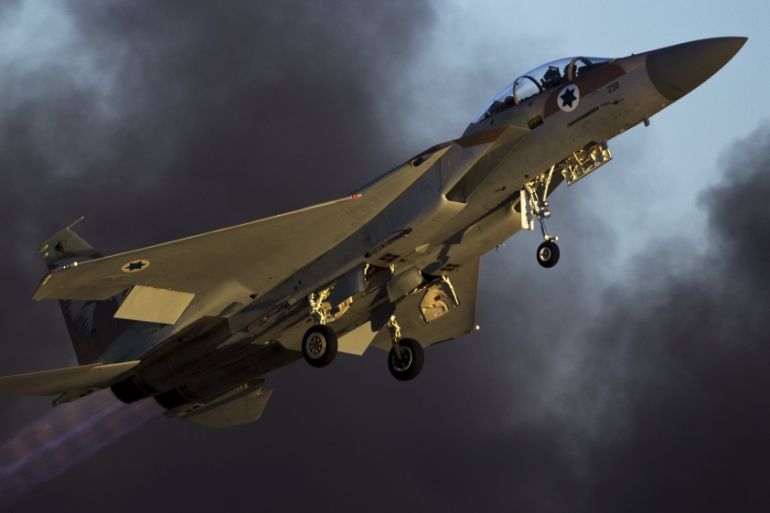
في شهادة تكشف كواليس العمليات الجوية، أقرّ طيار إسرائيلي شارك في الهجمات على إيران ولبنان بأن الطلعات فوق الأراضي اللبنانية كانت الأكثر خطورة، بسبب حساسية الأهداف وقربها الشديد من القوات على الأرض، ما يرفع من احتمالات الخطأ وتداعياته.
40 يومًا من القتال وضغوط نفسية عالية
وبحسب إذاعة "103FM" العبرية، تحدث الطيار الاحتياطي برتبة مقدم، الذي عُرّف بالحرف "ع"، عن تجربته خلال 40 يومًا من القتال، حيث أمضى الأسابيع الأخيرة داخل مقاتلة F-16، تحت ضغط نفسي كبير خلال الطلعات إلى إيران ولبنان.
وكشف أنه فكّر في تسجيل رسائل وداع لعائلته قبل بعض المهمات، لكنه تراجع وفضّل التركيز الكامل على التنفيذ، مشيرًا إلى أن التعامل مع الخوف يتم عبر الانشغال بالمهمة وتأجيل المشاعر إلى ما بعدها.
لبنان: هامش خطأ شبه معدوم
عند المقارنة بين الجبهتين، أكد الطيار أن العمليات فوق لبنان كانت أكثر توترًا، موضحًا أن الضربات تُنفذ أحيانًا على مسافات لا تتعدى مئات الأمتار من القوات، ما يجعل أي خطأ كارثيًا.
وأضاف أن الطيارين يرصدون خلال الطلعات منصات إطلاق صواريخ، ما يفرض تنفيذ ضربات دقيقة وفورية، ويمنحهم في المقابل شعورًا بإزالة تهديد مباشر.
عمليات إيران: تنسيق وتحديات مختلفة
وأشار إلى أن الطلعات نحو إيران تختلف من حيث التعقيد اللوجستي، إذ تتطلب عمليات تزوّد بالوقود جوًا بالتنسيق مع الولايات المتحدة، لافتًا إلى أن التوتر ينخفض تدريجيًا خلال رحلة العودة، رغم استمرار التحديات المرتبطة بالوقود والظروف الجوية.
تفاصيل يومية ودعم لوجستي
وتطرق الطيار إلى نمط الحياة خلال الحرب، موضحًا أن الطيارين اعتمدوا على نظام غذائي غني بالبروتين ومشروبات خاصة للحفاظ على الجاهزية، في ظل دعم لوجستي مكثف من وحدات الإسناد.
In a testimony revealing the behind-the-scenes of aerial operations, an Israeli pilot who participated in strikes on Iran and Lebanon admitted that sorties over Lebanese territory were the most dangerous, due to the sensitivity of the targets and their extreme proximity to forces on the ground, which increases the likelihood of error and its consequences.
40 days of fighting and high psychological pressure
According to the Hebrew radio 103FM, the reserve pilot with the rank of lieutenant colonel, identified by the letter A, spoke about his experience during 40 days of fighting, where he spent the last weeks inside an F-16 fighter jet, under intense psychological pressure during missions to Iran and Lebanon.
He revealed that he considered recording farewell messages to his family before some missions, but decided against it, preferring to focus entirely on execution, noting that dealing with fear comes through staying occupied with the mission and postponing emotions until afterward.
Lebanon: almost no margin for error
Comparing the two fronts, the pilot confirmed that operations over Lebanon were more tense, explaining that strikes are sometimes carried out at distances of only a few hundred meters from forces, making any mistake catastrophic.
He added that pilots monitor rocket launch platforms during sorties, which requires immediate and precise strikes, while also giving them a sense of eliminating a direct threat.
Iran operations: coordination and different challenges
He pointed out that missions toward Iran differ in terms of logistical complexity, as they require aerial refueling operations coordinated with the United States, noting that tension gradually decreases during the return flight, despite ongoing challenges related to fuel and weather conditions.
Daily details and logistical support
The pilot also spoke about daily life during the war, explaining that pilots relied on a protein-rich diet and special drinks to maintain readiness, amid intensive logistical support from support units.