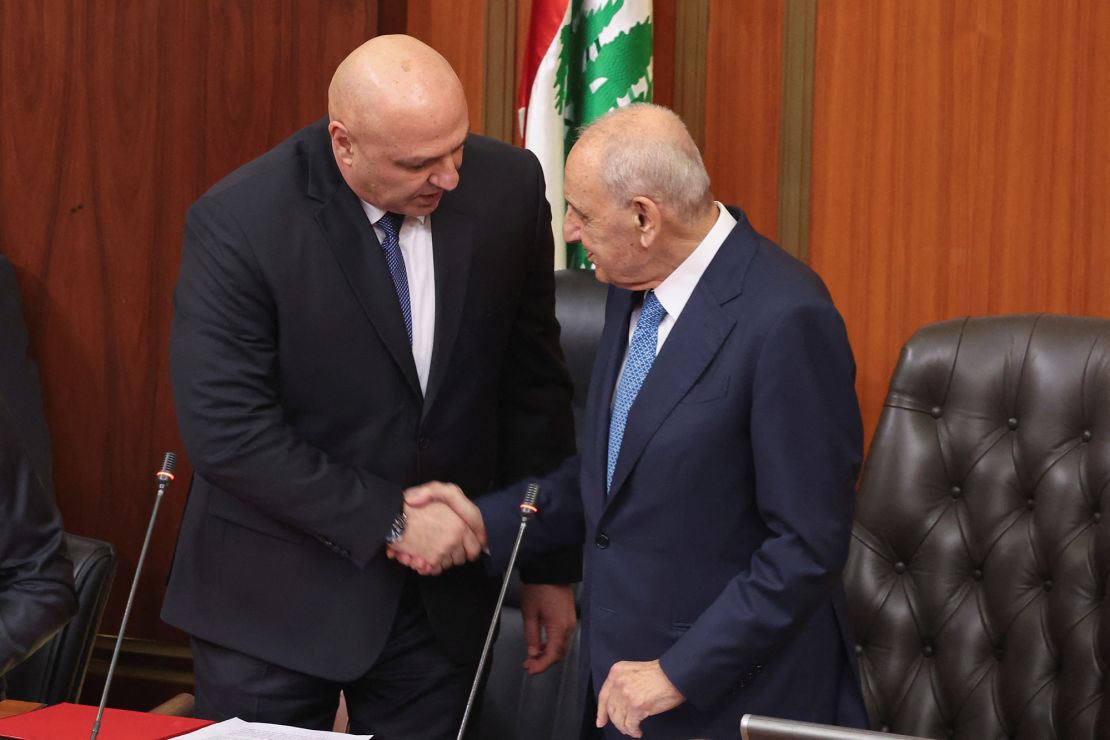
يثير الجدل بين رئيس مجلس النواب نبيه بري والرئيس جوزاف عون تساؤلات حول طبيعة اتفاق وقف إطلاق النار، خصوصًا بعدما أكّد عون أنّ الاتفاق الذي وُقّع هو نفسه الذي كان قد وقّعه بري، قبل أن يردّ الأخير بعد ساعات قليلة بأنّه ليس الاتفاق نفسه، بل يختلف عنه.
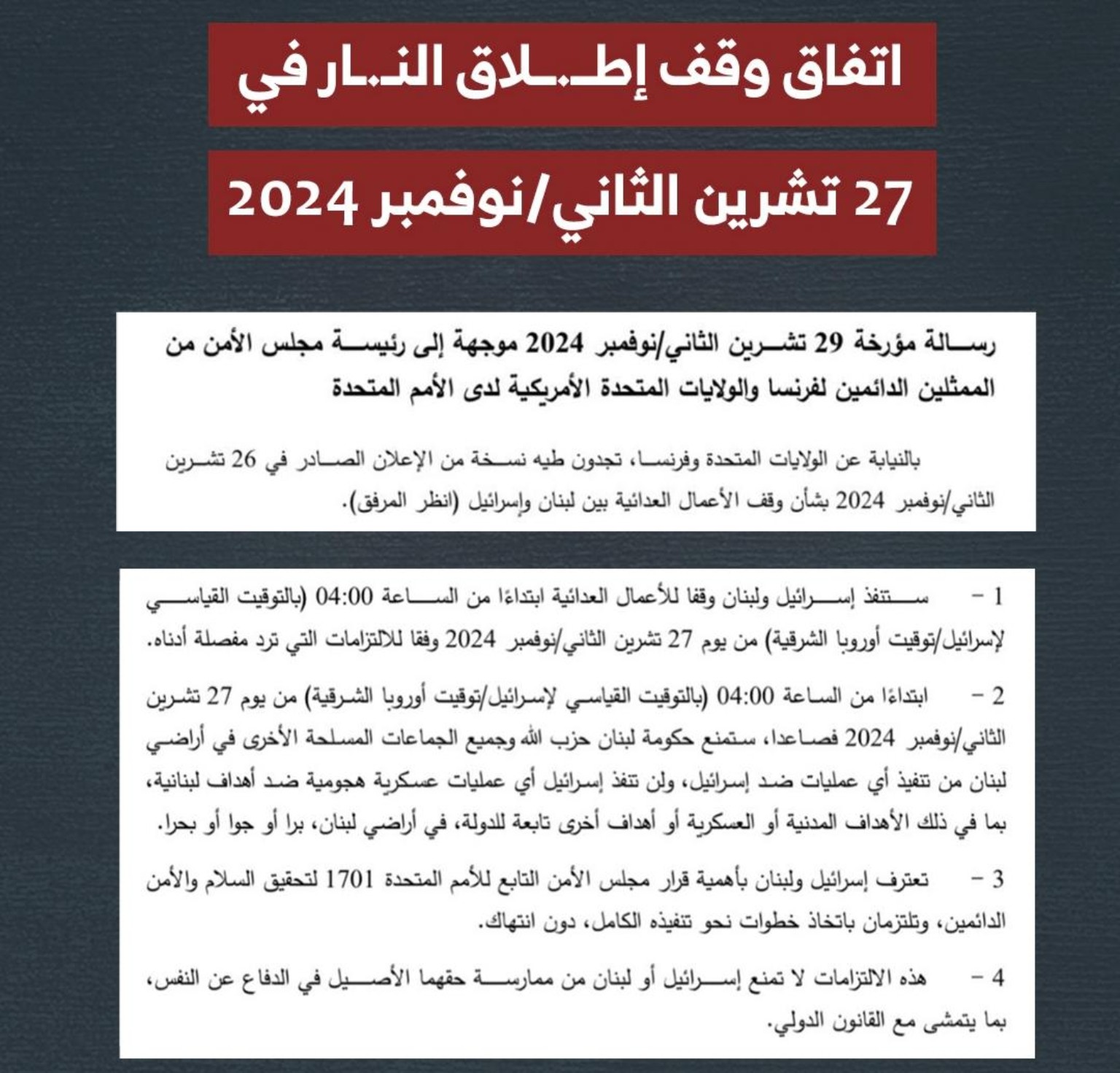
في اتفاق بري (تشرين الثاني 2024)، النص واضح: “لن تنفّذ إسرائيل أي عمليات عسكرية هجومية ضد أهداف لبنانية”، ما يعني حظرًا صريحًا للضربات داخل لبنان وتكريسًا لوقف شامل للأعمال العدائية، مع حق دفاع عن النفس ضمن إطار محدود.
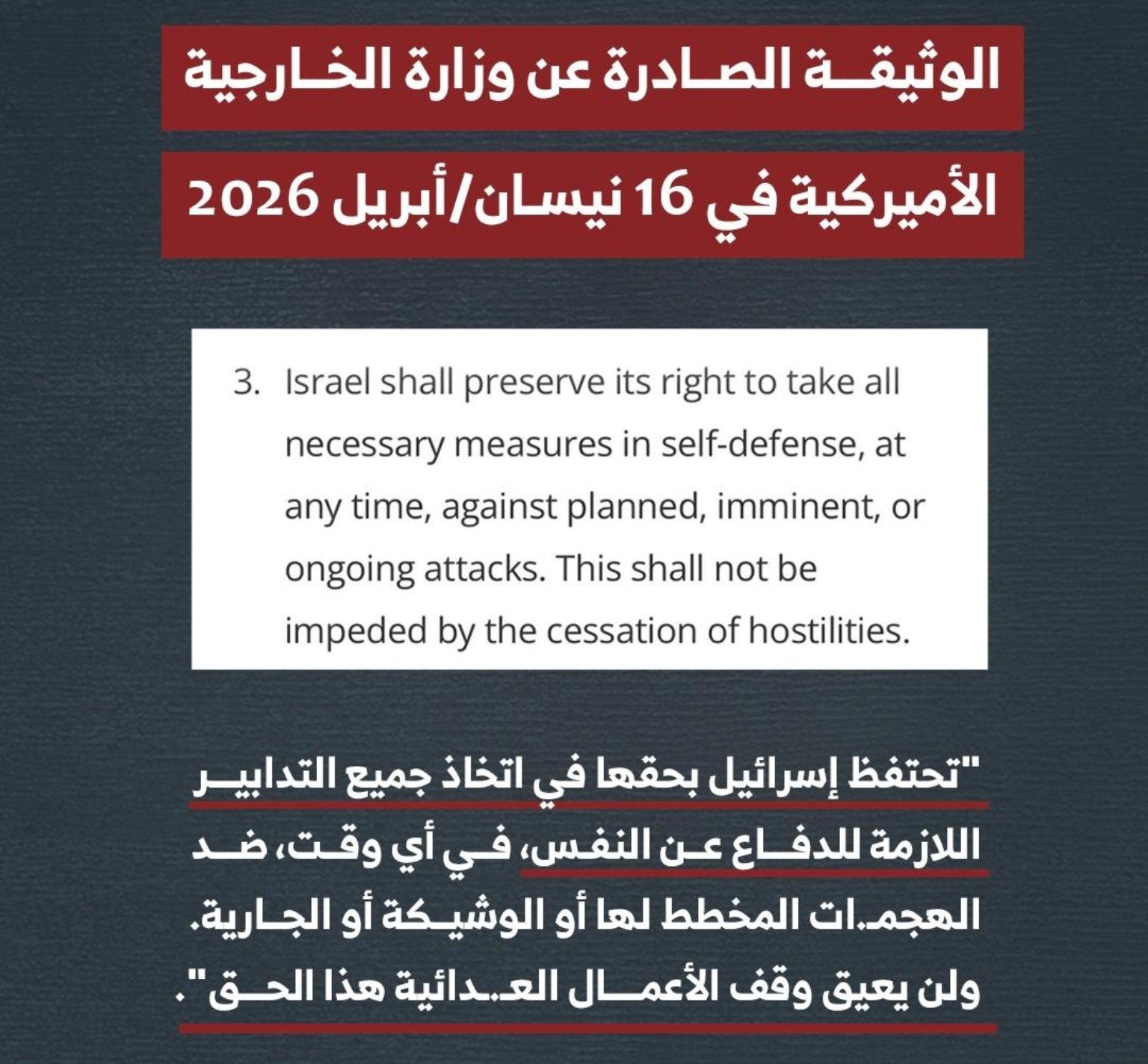
أما في اتفاق جوزاف عون (نيسان 2026)، فتتغيّر الصياغة بشكل لافت، إذ ينصّ على أنّ “إسرائيل تحتفظ بحقّها في اتخاذ جميع التدابير اللازمة للدفاع عن النفس، في أي وقت”، وأن هذا الحق لا يقيّده وقف إطلاق النار.
الفرق الجوهري أنّ اتفاق بري يقيّد الضربات ويمنعها، فيما اتفاق عون يوسّع هامشها تحت عنوان “الدفاع عن النفس”، ما يفتح الباب عمليًا أمام استمرار العمليات العسكرية رغم وقف إطلاق النار، وهو ما يفسّر التباين السريع في موقفي عون وبري.
Images were taken from Al Mahatta platform
The debate between Speaker Nabih Berri and President Joseph Aoun raises questions about the nature of the ceasefire agreement, especially after Aoun confirmed that the agreement that was signed is the same one previously signed by Berri, only for the latter to respond hours later that it is not the same agreement, but rather differs from it.
In Berri’s agreement (November 2024), the text is clear: 'Israel will not carry out any offensive military operations against Lebanese targets,' meaning an explicit ban on strikes inside Lebanon and the establishment of a comprehensive cessation of hostilities, with a limited right to self-defense.
In Joseph Aoun’s agreement (April 2026), the wording changes notably, stating that 'Israel retains the right to take all necessary measures for self-defense, at any time,' and that this right is not restricted by the ceasefire.
The key difference is that Berri’s agreement restricts and prevents strikes, while Aoun’s agreement expands their scope under the title of self-defense, effectively opening the door to the continuation of military operations despite the ceasefire, which explains the rapid divergence in the positions of Aoun and Berri.