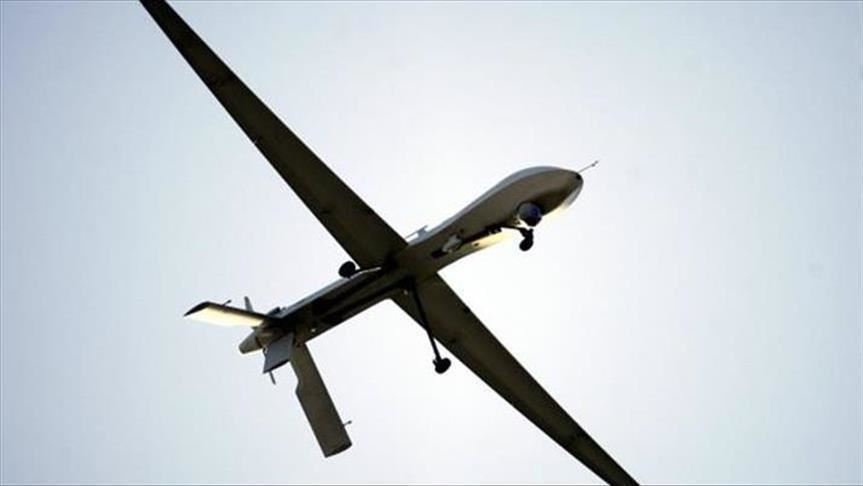
كشف تقرير صادر عن مؤسسة «الدفاع عن الديمقراطيات» (FDD) أن «حزب الله» يُرجّح أنه بدأ باستخدام طائرات مسيّرة مزودة بتقنية الرؤية من منظور الشخص الأول (FPV) في عملياته ضد الجيش الإسرائيلي، في تطور ميداني لافت في أساليب القتال.
وبحسب التقرير، نشر الحزب مؤخراً مقاطع فيديو تُظهر استهداف ناقلتي جند مدرعتين من طراز «نامر» وشاحنة عسكرية إسرائيلية باستخدام هذا النوع من الطائرات، وذلك بعد أيام من عرض لقطات لهجوم سابق على دبابة «ميركافا» بالتقنية نفسها في 26 آذار الماضي.
وأشار التقرير إلى أن هذه العمليات قد تكون من أوائل استخدامات «حزب الله» لتقنية FPV في المواجهة الحالية، رغم ظهوره السابق في لقطات تعود إلى عام 2024، ما يعكس انتقالاً تدريجياً نحو توظيف هذه الوسائل بشكل أوسع.
وتُعد طائرات FPV من الطائرات الصغيرة منخفضة الكلفة، والقادرة على حمل شحنات متفجرة مثل قذائف «آر بي جي»، إضافة إلى صعوبة رصدها واعتراضها. كما تتيح للمشغّل تنفيذ الاستطلاع وتحديد الأهداف ثم ضربها بسرعة ضمن منصة واحدة.
ويأتي هذا التطور في وقت أعلن فيه الجيش الإسرائيلي انتشار أربع فرق في جنوب لبنان ضمن حملة بدأت في 2 آذار، وتهدف إلى منع تسلل «حزب الله» أو تنفيذ هجمات على مناطق في شمال إسرائيل.
ولفت التقرير إلى أن التجارب في أوكرانيا أظهرت فعالية كبيرة لهذا النوع من الطائرات، حيث تُنسب إليها نسبة تتراوح بين 70 و80% من الإصابات، كما استخدمت في إسقاط مروحية هجومية روسية من طراز «كا-52»، ما يعزز احتمال اعتماد تكتيكات مشابهة في ساحات أخرى.
وفي هذا السياق، رجّح التقرير أن يسعى «حزب الله» إلى استهداف المروحيات الإسرائيلية التي تُستخدم لاعتراض طائراته المسيّرة، مستفيداً من الخبرات المتراكمة في هذا المجال، خاصة مع استخدام فصائل مدعومة من إيران للطائرات المسيّرة في هجمات واستطلاع خلال الفترة الماضية.
في المقابل، أشار التقرير إلى أن القوات الإسرائيلية تمتلك وسائل دفاعية، أبرزها نظام «تروفي» للحماية النشطة، القادر على رصد المقذوفات والطائرات المسيّرة واعتراضها، وقد أظهرت بعض المقاطع استخدامه في مواجهة هجمات مشابهة.
وختم التقرير بالتأكيد على أهمية تطوير وسائل مضادة إضافية، داعياً إلى تعزيز التعاون بين إسرائيل وأوكرانيا للاستفادة من الخبرات الميدانية، بما يشمل استخدام رادارات متنقلة واعتراض الطائرات المسيّرة عبر وسائل مماثلة، مع دور محتمل للولايات المتحدة في تنسيق هذا التعاون.
A report by the Foundation for Defense of Democracies (FDD) revealed that Hezbollah is likely beginning to use drones equipped with first-person view (FPV) technology in its operations against the Israeli army, marking a notable battlefield development in combat tactics.
According to the report, the group recently published videos showing the targeting of two Namer armored personnel carriers and an Israeli military truck using this type of drone, just days after releasing footage of a previous attack on a Merkava tank using the same technology on March 26.
The report noted that these operations may be among Hezbollah’s first uses of FPV technology in the current confrontation, despite its earlier appearance in footage dating back to 2024, reflecting a gradual shift toward broader deployment of such tools.
FPV drones are small, low-cost aircraft capable of carrying explosive payloads such as RPG rounds, and are difficult to detect and intercept. They also allow operators to conduct reconnaissance, identify targets, and strike them quickly within a single platform.
This development comes as the Israeli army announced the deployment of four divisions in southern Lebanon as part of a campaign launched on March 2, aimed at preventing Hezbollah infiltration or attacks on northern Israel.
The report highlighted that experiences in Ukraine have demonstrated the high effectiveness of this type of drone, attributing 70–80% of casualties to them, and noting their use in downing a Russian Ka-52 attack helicopter, reinforcing the likelihood of similar tactics being adopted in other arenas.
In this context, the report suggested that Hezbollah may seek to target Israeli helicopters used to intercept its drones, leveraging accumulated expertise, particularly as Iran-backed factions have increasingly used drones in both attacks and reconnaissance in recent periods.
On the other hand, the report pointed out that Israeli forces possess defensive systems, most notably the Trophy active protection system, capable of detecting and intercepting projectiles and drones, with some footage showing its use against similar attacks.
The report concluded by emphasizing the importance of developing additional countermeasures, calling for enhanced cooperation between Israel and Ukraine to benefit from battlefield experience, including the use of mobile radars and drone interception through similar means, with a potential role for the United States in coordinating such cooperation.