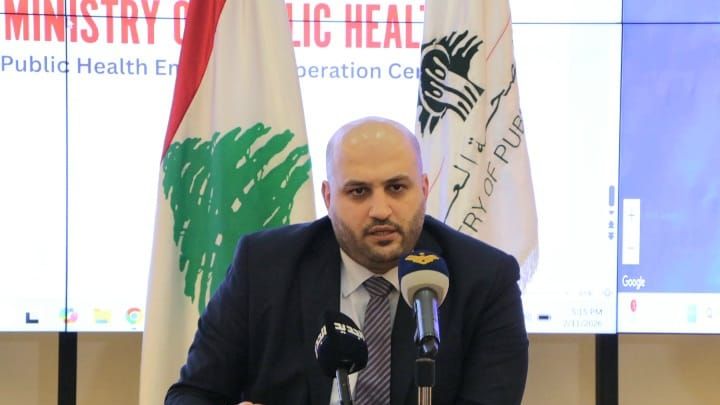
عرض وزير الصحة العامة ركان ناصر الدين خطة الطوارئ التي تعتمدها الوزارة لمواجهة التداعيات الصحية الناتجة عن العدوان الإسرائيلي على لبنان، مؤكداً أن الخطة ترتكز على تعزيز جاهزية المستشفيات والكوادر الصحية، إلى جانب تطوير آليات التنسيق لضمان الاستجابة السريعة وتلبية احتياجات النازحين المتزايدة.
وجاء ذلك خلال مؤتمر حول «جاهزية المستشفيات للطوارئ في خلال الحرب والنزاعات المسلحة» نظمته الجامعة الأميركية في بيروت بدعم من الجمعية اللبنانية لطب الطوارئ ونقابة الممرضات والممرضين، بمشاركة اختصاصيين في القطاع الصحي.
وأوضح ناصر الدين أن الوزارة عملت ضمن خطة وطنية شاملة لتعزيز صمود النظام الصحي، من خلال بناء القدرات وتطوير الشراكات وتعزيز الاستعداد المسبق لمواجهة الأزمات.
وأشار إلى أن الخطة تقوم على خمس ركائز أساسية، أولها تأمين الأدوية والمستلزمات الطبية ومعدات الطوارئ بشكل استباقي، تحسباً لأي اضطراب في سلاسل الإمداد، وضمان تلبية الطلب المتزايد في ظل الضغوط على المستشفيات، بما يشمل دعم العمليات الجراحية والعناية المركزة والعلاجات الحيوية.
أما الركيزة الثانية، فتتمثل في رفع جاهزية الكوادر الصحية عبر تدريبات متخصصة في إدارة الإصابات الجماعية، وفرز الحالات، ومكافحة العدوى، والتعامل مع الحالات الحرجة، إضافة إلى تنفيذ تمارين محاكاة لتعزيز الجهوزية العملية.
وفي الركيزة الثالثة، لفت إلى العمل على حشد فرق الطوارئ الطبية بالتعاون مع شركاء محليين ودوليين، بما يتيح الاستجابة للارتفاع المفاجئ في أعداد المرضى وضمان استمرارية الخدمات الحيوية.
كما تشمل الخطة، بحسب ناصر الدين، تعزيز أنظمة الإحالة والتنسيق والتواصل بين المستشفيات وجهات الاستجابة، بما يضمن توزيع الحالات بكفاءة وتفادي الفوضى التي قد تؤدي إلى خسائر في الأرواح، مشيراً إلى الدور المحوري الذي يؤديه مركز عمليات طوارئ الصحة العامة في هذا المجال.
أما الركيزة الخامسة، فتتعلق بضمان تغطية تكاليف الرعاية الأساسية للجرحى والنازحين، بهدف تخفيف الأعباء المالية عن الأسر المتضررة وتأمين الوصول إلى الخدمات الصحية المنقذة للحياة.
ورغم هذه الإجراءات، أقر الوزير بأن التحديات لا تزال كبيرة، في ظل محدودية الموارد وتزايد الاحتياجات، إضافة إلى الأضرار التي تطال البنية التحتية الصحية والتهديدات التي يتعرض لها العاملون في القطاع، مشدداً على ضرورة حماية المستشفيات وضمان سلامة الطواقم الطبية وفقاً للقانون الدولي الإنساني.
وأكد أن الجاهزية للطوارئ تمثل استثماراً وطنياً مستمراً يتطلب تمويلاً مستداماً وتنسيقاً مؤسسياً ودعماً دائماً للمستشفيات والعاملين في الخطوط الأمامية.
وختم بتوجيه الشكر إلى الكوادر الصحية وفرق الطوارئ على جهودهم، مجدداً التزام الوزارة بتعزيز الجهوزية وترسيخ التنسيق بين مختلف مكونات النظام الصحي، بما يساهم في الحد من الخسائر وإنقاذ الأرواح.
The Lebanese Minister of Public Health, Rakan Nassereddine, presented the ministry’s emergency plan to address the health consequences resulting from the Israeli aggression on Lebanon. He emphasized that the plan focuses on strengthening hospital readiness and healthcare personnel, as well as improving coordination mechanisms to ensure rapid response and meet the growing needs of displaced people.
This came during a conference on “Hospital Emergency Preparedness during War and Armed Conflicts,” organized by the American University of Beirut with support from the Lebanese Society of Emergency Medicine and the Order of Nurses, with participation from healthcare specialists.
Nassereddine explained that the ministry has been working ضمن a comprehensive national plan to enhance the resilience of the healthcare system by building capacities, developing partnerships, and improving preparedness for crises.
He noted that the plan is based on five main pillars:
Securing medications, medical supplies, and emergency equipment in advance, anticipating disruptions in supply chains and ensuring the ability to meet rising demand, including support for surgeries, intensive care, and critical treatments.
Enhancing the readiness of healthcare workers through specialized training in mass casualty management, triage, infection control, and handling critical cases, along with simulation exercises to improve practical preparedness.
Mobilizing emergency medical teams in cooperation with local and international partners to respond to sudden increases in patient numbers and ensure continuity of essential services.
Strengthening referral systems, coordination, and communication between hospitals and response entities to ensure efficient case distribution and prevent chaos that could lead to loss of life, highlighting the central role of the Public Health Emergency Operations Center.
Ensuring coverage of basic healthcare costs for the injured and displaced, in order to reduce financial burdens on affected families and guarantee access to life-saving services.
Despite these measures, the minister acknowledged ongoing challenges, including limited resources, increasing needs, damage to healthcare infrastructure, and threats faced by healthcare workers. He stressed the importance of protecting hospitals and ensuring the safety of medical staff in accordance with international humanitarian law.
He concluded by affirming that emergency preparedness is a continuous national investment requiring sustainable funding, institutional coordination, and ongoing support for hospitals and frontline workers, thanking healthcare teams and emergency responders for their efforts and reaffirming the ministry’s commitment to saving lives and reducing losses.