تعليق التعليم الحضوري بشروط معقّدة
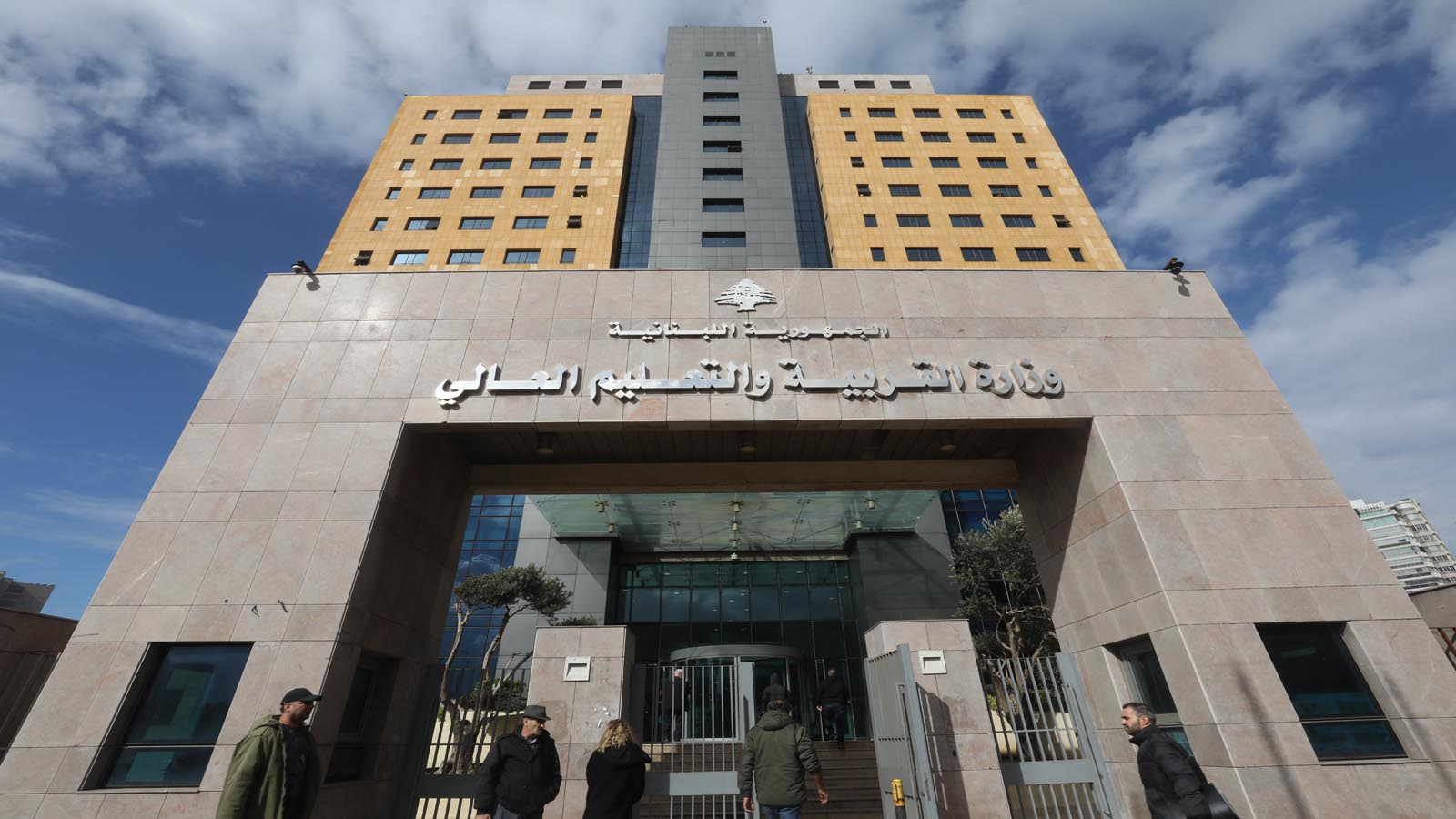
قبل أن تتضح صورة هدنة ما زالت هشّة، وفي ظل استمرار الخروق الإسرائيلية، طلبت وزارة التربية من إدارات المدارس الرسمية عدم استئناف التعليم الحضوري في المناطق المصنّفة خطرة، إلا بعد تقديم طلبات رسمية والحصول على موافقة مسبقة. كما دعت المدارس التي تحوّلت إلى مراكز إيواء إلى إبلاغها خطياً قبل أي خطوة، مع التريّث في العودة إلى الصفوف والإبقاء على التعليم عن بُعد إلى حين صدور الموافقات.
تعميم لا يواكب واقع الجنوب
مصادر المديرين اعتبرت أن التعميم يتعامل مع وقف إطلاق النار وكأنه مستقر ونهائي، في حين أن الواقع الميداني مختلف تماماً، خصوصاً في القرى الحدودية حيث تتكرر الخروق يومياً. هذا الواقع يجعل أي قرار تربوي مبني على فرضية “الاستقرار” غير قابل للتطبيق عملياً.
بيئة غير صالحة للتعليم أساساً
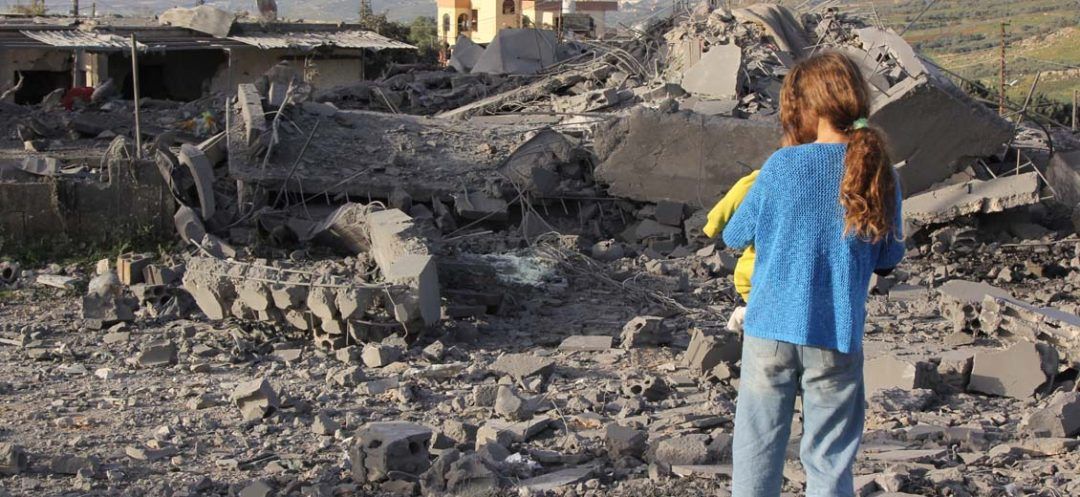
في مناطق مثل الضاحية الجنوبية وأجزاء واسعة من الجنوب، لا يقتصر الأمر على المخاطر الأمنية، بل يتعداه إلى غياب شبه كامل لمقومات الحياة: انقطاع الكهرباء لساعات طويلة، ضعف أو انعدام الإنترنت، شحّ المياه، ودمار في الأبنية والبنى التحتية. في هذه الظروف، يصبح التعليم – سواء الحضوري أو عن بُعد – خياراً نظرياً أكثر منه واقعياً.
إشكالية المدارس كمراكز إيواء
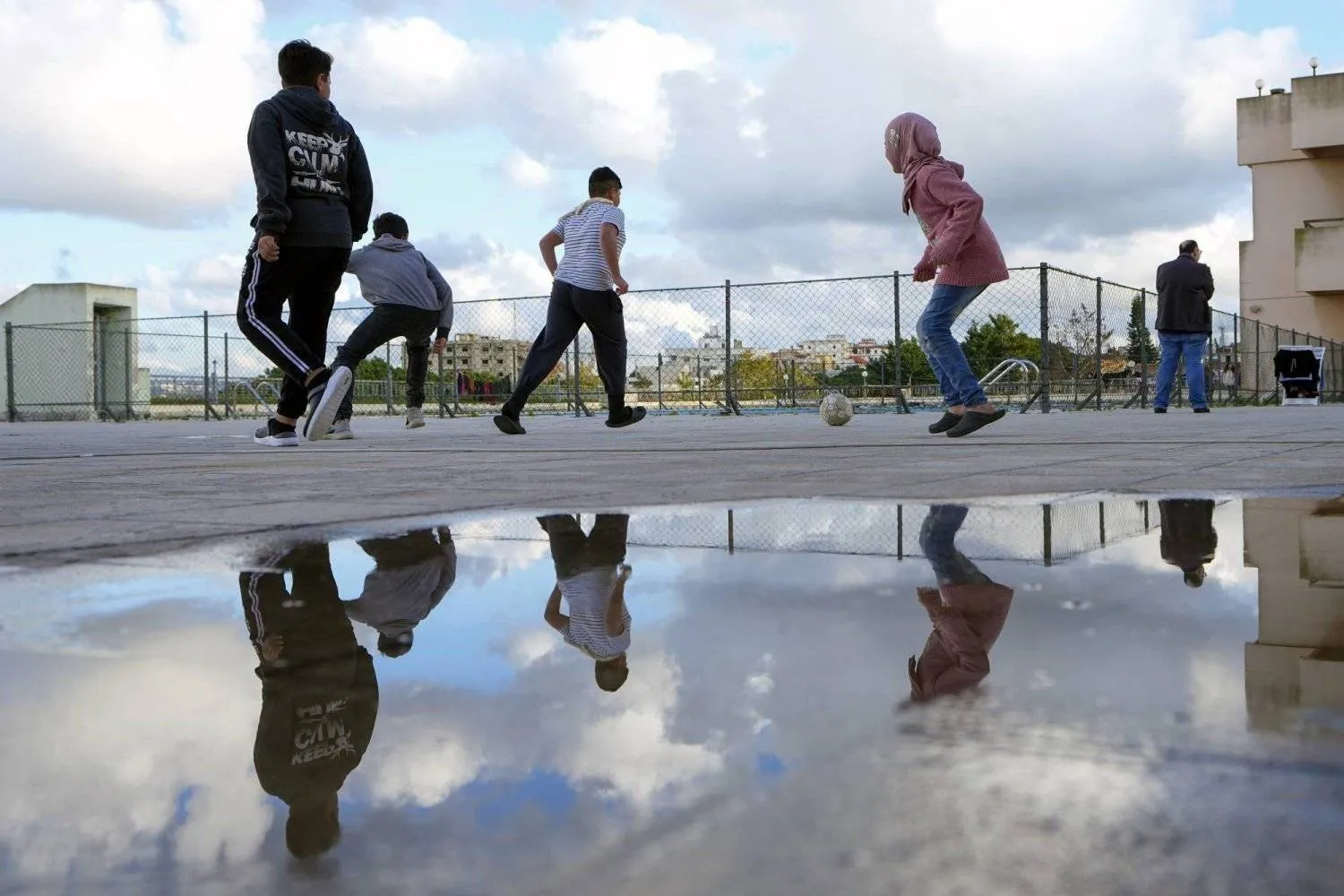
يضع التعميم الإدارات أمام معضلة حقيقية: كيف يمكن إعادة فتح المدارس فيما لا تزال تؤوي نازحين لم تتوفر لهم بدائل سكنية؟ المديرون يشيرون إلى أن إخلاء المدارس ليس قراراً تربوياً فقط، بل قرار اجتماعي وإنساني يتطلب خطة واضحة لإعادة توطين الأهالي، وهو ما لم يتوافر حتى الآن.
ضغط إداري بلا نتائج عملية
إلى جانب ذلك، يشكو المديرون من كثافة الاستمارات والاستبيانات التي تُطلب منهم بشكل متكرر (أعداد الطلاب، أماكن النزوح، الجهوزية، الإمكانات...) من دون أن تُترجم إلى قرارات تنفيذية واضحة، ما يحوّل هذه الإجراءات إلى عبء إضافي على إدارات تعمل أصلاً في ظروف استثنائية.
تخبّط بين “الداتا” والواقع المتغيّر
تعتمد الوزارة، بحسب المصادر، على أرقام وبيانات تُجمع بشكل دوري، لكن المشكلة أن واقع النزوح متغيّر يومياً: عائلات تنتقل، مدارس تُخلى أو تُشغل مجدداً، مناطق تصبح آمنة أو خطرة خلال ساعات. هذا التبدّل السريع يفقد “الداتا” دقتها، ويجعل القرارات المبنية عليها غير ثابتة.
التعليم عن بُعد… خيار غير متاح للجميع
حتى البديل المطروح، أي التعليم عبر منصات مثل “Microsoft Teams”، لا يشمل الجميع. فعدد كبير من الطلاب لا يملك أجهزة مناسبة، أو يعاني من ضعف الإنترنت، أو يعيش في ظروف نزوح لا تسمح له بالالتزام بالتعليم الإلكتروني، ما يخلق فجوة تعليمية متزايدة بين الطلاب.
غياب خطة طوارئ واضحة
الأزمة لا تقتصر على تعميم واحد، بل تعكس غياب خطة طوارئ شاملة لإدارة القطاع التربوي خلال الحرب. المدارس عالقة بين دورين: مؤسسة تعليمية ومركز إيواء، من دون إطار واضح ينظم الانتقال بينهما، فيما الأهالي لا يملكون رؤية واضحة لمصير أولادهم التعليمي.
طلاب وأساتذة يدفعون الثمن
في النتيجة، يجد الطلاب والمعلمون أنفسهم في مواجهة قرارات متسرّعة تُبنى على معطيات غير مستقرة، وتُنفّذ في بيئة تفتقر إلى الحد الأدنى من الأمان والخدمات. ومع غياب رؤية استراتيجية واضحة، يصبح الخطر الحقيقي ليس فقط تعطّل التعليم، بل اتساع الفاقد التربوي بشكل يصعب تعويضه لاحقاً.
بتصرف عن الاخبار
Suspension of in-person education under complex conditions
Before the picture of a still fragile truce becomes clear, and amid ongoing Israeli violations, the Ministry of Education requested that public school administrations refrain from resuming in-person teaching in areas classified as dangerous, unless official requests are submitted and prior approval is obtained. It also called on schools that have been turned into shelters to notify it in writing before taking any step, urging caution in returning to classrooms and maintaining remote learning until approvals are issued.
A circular that does not match the reality of the south
Sources among school principals considered that the circular treats the ceasefire as if it were stable and final, while the field reality is entirely different, especially in border villages where violations occur daily. This reality makes any educational decision based on the assumption of stability practically unworkable.
An environment fundamentally unfit for education
In areas such as the southern suburbs and large parts of the south, the issue goes beyond security risks to a near-total absence of basic living conditions: prolonged power outages, weak or nonexistent internet, water shortages, and destruction of buildings and infrastructure. Under these conditions, education – whether in person or remote – becomes more theoretical than practical.
The issue of schools as shelters
The circular places administrations before a real dilemma: how can schools reopen while they are still sheltering displaced people who have no alternative housing? Principals point out that evacuating schools is not only an educational decision, but a social and humanitarian one that requires a clear plan to resettle families, which is still lacking.
Administrative pressure without practical results
In addition, principals complain about the volume of forms and surveys repeatedly requested from them (numbers of students, displacement locations, readiness, resources...) without being translated into clear executive decisions, turning these procedures into an additional burden on administrations already operating under exceptional conditions.
Confusion between data and a changing reality
According to sources, the ministry relies on periodically collected data, but the problem is that displacement conditions change daily: families move, schools are vacated or reoccupied, and areas become safe or dangerous within hours. This rapid change undermines the accuracy of the data and makes decisions based on it unstable.
Remote learning… not accessible to everyone
Even the proposed alternative, remote learning through platforms such as Microsoft Teams, does not include everyone. A large number of students lack suitable devices, suffer from weak internet, or live in displacement conditions that prevent them from committing to online learning, creating a growing educational gap among students.
Absence of a clear emergency plan
The crisis is not limited to a single circular, but reflects the absence of a comprehensive emergency plan to manage the education sector during war. Schools are caught between two roles: an educational institution and a shelter, without a clear framework regulating the transition between them, while families lack a clear vision of their children’s educational future.
Students and teachers pay the price
Ultimately, students and teachers find themselves facing rushed decisions based on unstable data, implemented in an environment lacking the minimum levels of safety and services. In the absence of a clear strategic vision, the real danger is not only the disruption of education, but the widening of educational loss in a way that will be difficult to compensate later.
Adapted from Al Akhbar