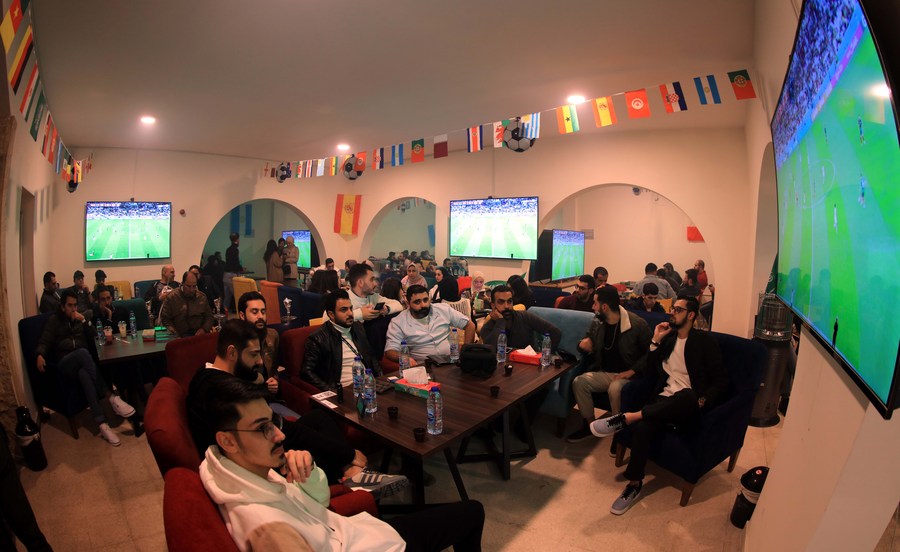
مع اقتراب انطلاق كأس العالم 2026، لا يزال مصير نقل مباريات المونديال في مقاهي الضاحية الجنوبية لبيروت غير محسوم، وسط انقسام بين أصحاب المقاهي بين متحمّسين لاستقبال الجمهور وآخرين يعتبرون أن الظروف الأمنية والاقتصادية لا تزال غير مناسبة.
ورغم الأضرار التي خلّفتها الغارات الإسرائيلية واستمرار التحليق المعادي، تواصل بعض المقاهي فتح أبوابها يومياً مع تراجع واضح في أعداد الزبائن بسبب النزوح وتضرر المنازل.
عدد من أصحاب المقاهي أكّدوا نيتهم نقل المباريات إذا سمحت الظروف، مشيرين إلى أن التحديات الأساسية تتمثل بالكلفة العالية والمخاوف الأمنية، خصوصاً بعد حوادث سابقة أثّرت على الحركة التجارية.
في المقابل، يرى آخرون أن الوضع لا يزال هشّاً، وأن نقل بطولة بحجم كأس العالم يحتاج إلى استقرار كامل وتشغيل المقاهي بكامل طاقتها، وهو ما لا يتوافر حالياً، إضافة إلى صعوبة جذب الزبائن في ساعات الفجر بسبب فارق التوقيت.
وبين ارتفاع التكاليف وضعف الإقبال، يجد أصحاب المقاهي أنفسهم أمام خيارين صعبين: المجازفة بنقل المونديال رغم الظروف، أو الامتناع عن ذلك مع احتمال خسارة المزيد من الزبائن.
As the 2026 World Cup approaches, the fate of broadcasting the tournament’s matches in cafés across Beirut’s southern suburbs remains uncertain, amid division among café owners between those eager to welcome fans and others who believe the security and economic conditions are still unsuitable.
Despite the damage caused by Israeli airstrikes and the continued hostile aerial presence, some cafés continue to open daily, though with a noticeable decline in customers due to displacement and damaged homes.
Several café owners confirmed their intention to broadcast the matches if conditions allow, pointing out that the main challenges are the high costs and security concerns, especially after previous incidents that negatively affected commercial activity.
On the other hand, others believe the situation remains fragile and that hosting an event as massive as the World Cup requires complete stability and cafés operating at full capacity — conditions that are currently unavailable. They also highlighted the difficulty of attracting customers during early morning hours because of the time difference.
Between rising expenses and weak customer turnout, café owners find themselves facing two difficult choices: taking the risk of broadcasting the World Cup despite the circumstances, or refraining from doing so and potentially losing even more customers.