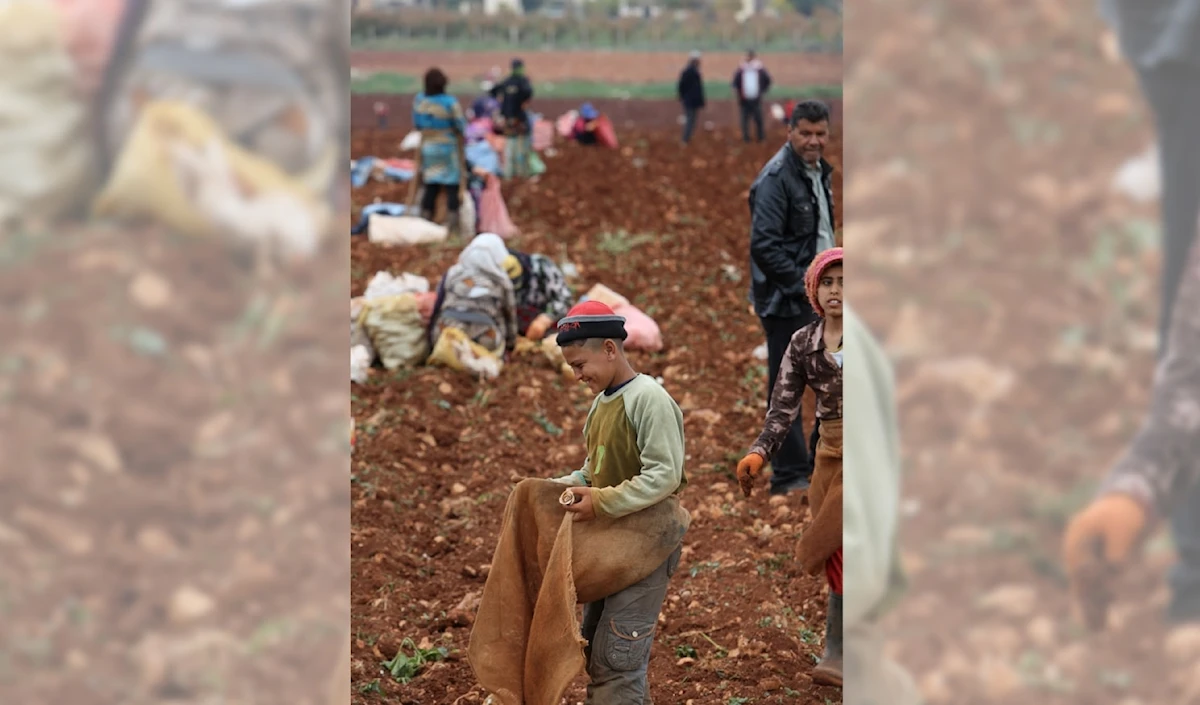
خلّف تساقط حبّات البرد في اليومين الماضيين كارثة على مختلف أنواع الزراعات في منطقة البقاع. ووصلت الأضرار في بعض أنواع المزروعات إلى تلف المحصول بكامله، مثل محصول الشعير، إذ تحوّلت نعمة الشتاء إلى نقمة، مع تساقط حبّات برد كبيرة تحوّلت إلى سكاكين تنهش المزروعات، من كروم العنب إلى حقول البطاطا وسواها من المواسم التي كانت تنتظر الحصاد.
في لحظة واحدة انقلبت الطبيعة من موسم مطري مميّز إلى غضب غير محسوب، يقول مزارعون بقاعيون. ووفقاً لرئيس الاتحاد الوطني للفلاحين إبراهيم ترشيشي:«بدا المشهد أقرب إلى جرحٍ مفتوح لا يندمل»، فالأضرار التي خلّفتها العاصفة توزّعت على مختلف المحاصيل الزراعية، إنّما بنسب متفاوتة، وفق درجات نضوج المزروعات، حيث جاءت الخسائر في بعض الأنواع شبه كاملة وفي أخرى جزئية، لكنها مؤثّرة.
الضرر الأكبر وقع على موسم الشعير، إذ بلغت نسبة الأضرار فيه 100%، ما يعني خسارة شبه تامة لهذا المحصول في المناطق المتضررة. أما في القمح والبصل بكلّ أنواعه والعدس والثوم، فوصلت الأضرار إلى نحو 70%، وهو ما يشير إلى تراجع كبير في الإنتاج لهذا الموسم.
يرسم الترشيشي خريطة الأضرار، ويقدّر مساحة الأراضي الزراعية المتضرّرة بحوالي 150 كيلومتراً مربّعاً، أي من منطقة القرعون، مروراً بحقول وسهول بر الياس، وقب الياس، إلى زحلة وتربل والناصرية وسرعين، وصولاً الى أقصى شمال البقاع عند منطقة القاع.
والأسوأ وفقاً لترشيشي هو غياب الدولة بشكل كامل، حتى سؤال المزارعين معدوم، يقول. فالمزارع منكوب بغياب أسواق التصدير وبالحرب التي حالت دون زرع مئات الكيلومترات المربّعة، وصولاً الى كارثة حبات البرد.
في سياق مرتبط، امتدّت الأضرار لتصيب الزراعات المحمية أيضاً، إذ يؤكد أحمد محمد ديب الذكرة، أحد مزارعي منطقة بعلبك، أنّ «الأضرار المباشرة أصابت البيوت البلاستيكية، ما أدّى إلى تلف النايلون المخصّص للحماية، فضلاً عن تضرر شتول الملفوف والقرنبيط وسائر الخُضر الشتوية بنسب متفاوتة، ما يهدّد استمرارية إنتاجها في المرحلة المقبلة».
وفي ما يتعلق بالأشجار المثمرة، وبحسب الذكرة، فقد أصيبت بأضرار متفاوتة وفقاً لمرحلة الإزهار، ما يجعل حجم الخسائر غير واضح، ولكنّه واسع ويطاول أجزاء أساسية من الإنتاج الزراعي.
أمّا باقي المزروعات، من بطاطا وكمون، فقد سجّلت نسبة أضرار تصل إلى 30%، ما يشكل عبئاً إضافياً على المزارعين في موسم كان يُفترض أن يكون وافراً إنتاجياً.
من الناحية الجغرافية، توزّعت الأضرار على عدد من البلدات، أبرزها مجدلون، حوش بردى، حوش تل صفية، العلاق، السعيدة، بوداي، فلاوة، شليفا، ودير الأحمر، حيث طاولت العاصفة مختلف المحاصيل بنسب متفاوتة لكنها مؤثّرة. كما امتدّت الأضرار إلى سهل إيعات وسهل بعلبك، حيث تركّزت في القسم الغربي من السهل، ما يعكس اتّساع رقعة التأثير الزراعي للعاصفة وعدم اقتصارها على منطقة محدّدة.
المصدر: الاخبار
Hailstorms over the past two days have left a disaster across various types of crops in the Bekaa region. In some crops, the damage reached total destruction, such as the barley harvest, as the blessing of winter turned into a curse, with large hailstones falling like knives tearing through the crops, from vineyards to potato fields and other harvests that had been awaiting collection.
In a single moment, nature shifted from a remarkable rainy season to an unpredictable غضب, say Bekaa farmers. According to the head of the National Farmers Union, Ibrahim Tarshishi: 'The scene looked like an open wound that does not heal,' as the damage caused by the storm spread across various agricultural crops, but at varying levels depending on the stage of crop maturity, with some suffering near-total losses and others partial but significant damage.
The greatest damage was to the barley season, where losses reached 100%, meaning an almost complete loss of this crop in the affected areas. As for wheat, onions of all types, lentils, and garlic, the damage reached around 70%, indicating a major decline in production this season.
Tarshishi outlines the map of damage, estimating the affected agricultural land at around 150 square kilometers, stretching from the Qaraoun area, through the fields and plains of Bar Elias and Qab Elias, to Zahle, Taalabaya, Nasriyeh, and Sarein, reaching the far north of the Bekaa at the area of Qaa.
The worst, according to Tarshishi, is the complete absence of the state, with not even inquiries made to farmers. Farmers are already struggling due to the absence of export markets and the war that prevented the cultivation of hundreds of square kilometers, culminating in the hailstorm disaster.
In a related context, the damage extended to protected agriculture as well. Ahmad Mohammad Deeb al-Zikra, a farmer from the Baalbek area, confirmed that 'direct damage affected greenhouses, leading to the destruction of protective plastic coverings, in addition to damage to cabbage and cauliflower seedlings and other winter vegetables at varying rates, threatening the continuity of their production in the coming phase.'
Regarding fruit trees, according to al-Zikra, they suffered varying damage depending on the flowering stage, making the scale of losses unclear but widespread, affecting key parts of agricultural production.
As for other crops such as potatoes and cumin, damage reached around 30%, adding an additional burden on farmers during a season that was expected to be highly productive.
Geographically, the damage was distributed across several towns, most notably Majdaloun, Housh Barada, Housh Tal Safiyeh, Alallaq, Saida, Boday, Flawa, Shlifa, and Deir al-Ahmar, where the storm affected various crops at different but impactful levels. The damage also extended to the plains of Iaat and Baalbek, particularly concentrated in the western part of the plain, reflecting the wide agricultural impact of the storm and its spread beyond a single area.
Source: Al Akhbar